Check back regularly for Columbia’s latest AI research, thought leadership, and real-world use cases from our schools, centers, and institutes.
For deeper perspectives in your inbox, subscribe to Columbia AI Insights—a new publication that brings experts from across domains and disciplines to go beyond the headlines and enrich the public conversations around AI.

Jensen and David explore why AI requires so much energy, but also how the technology can actually reduce energy consumption in applications from weather forecasting to manufacturing.

New Columbia Business School research shows Wikipedia’s most “ChatGPT-like” articles are drawing fewer visitors, a trend that could weaken the encyclopedia and the AI models that rely on it.
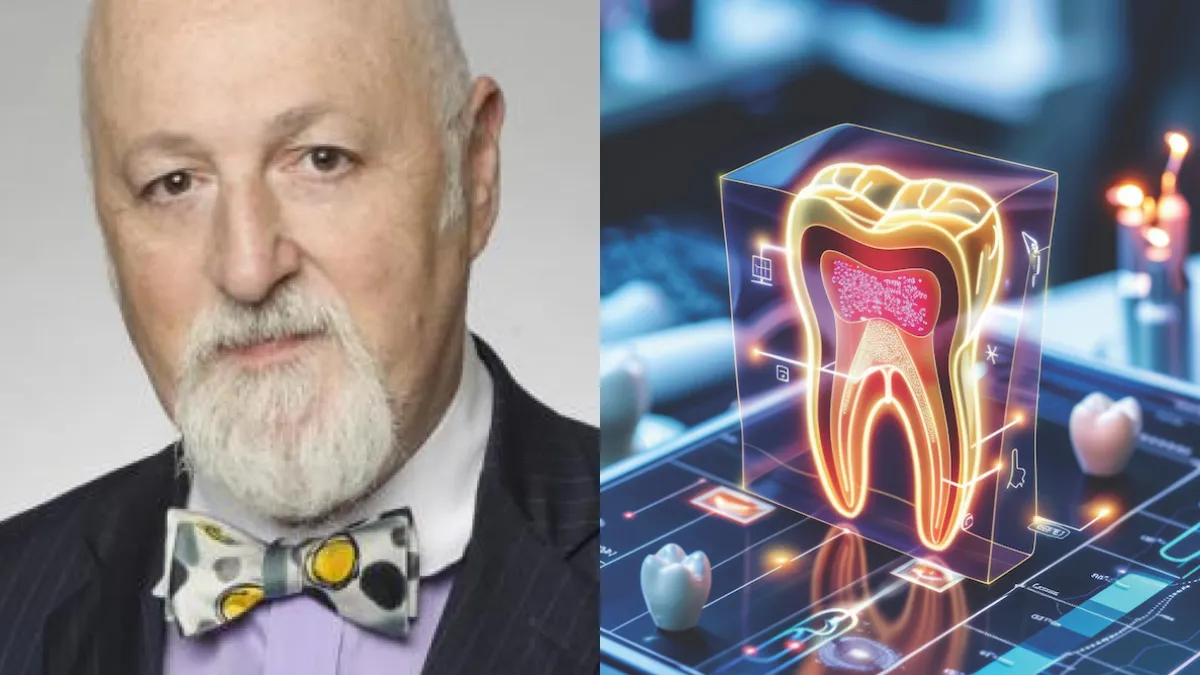
Columbia’s College of Dental Medicine used AI to automate its complex student clinic scheduling, streamlining a once manual, error-prone process into an efficient, scalable model now attracting interest from other dental schools.
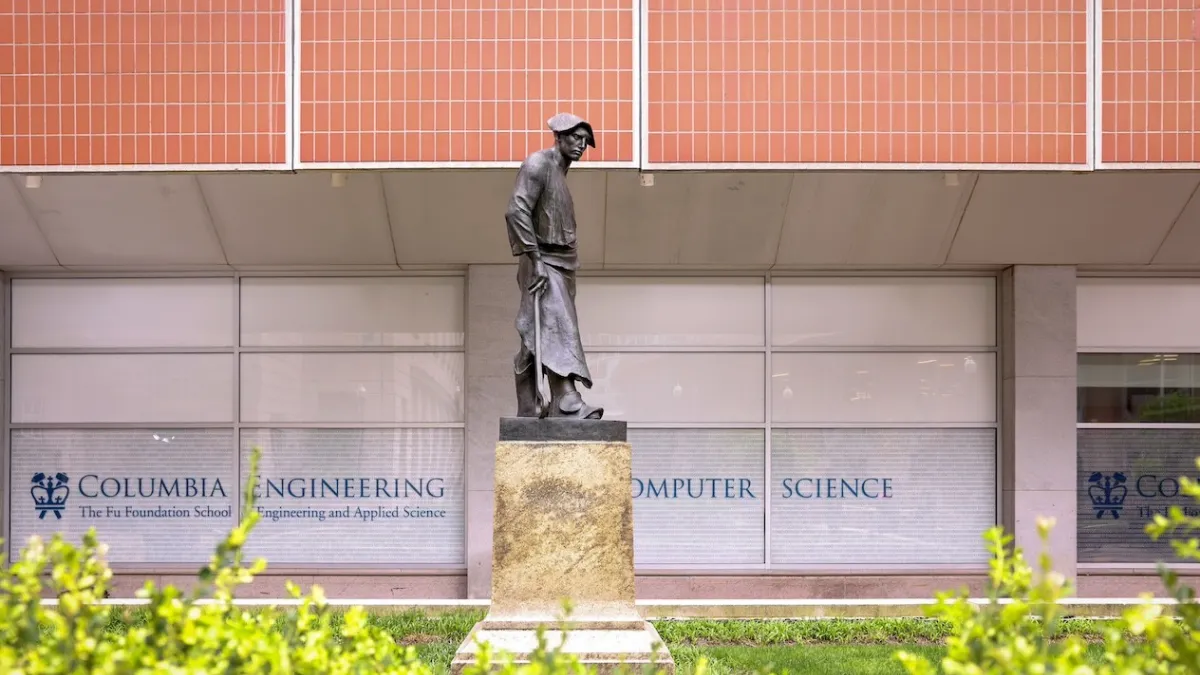
Faculty across the Engineering School and partners are finding new and innovative ways to integrate generative AI in the classroom.
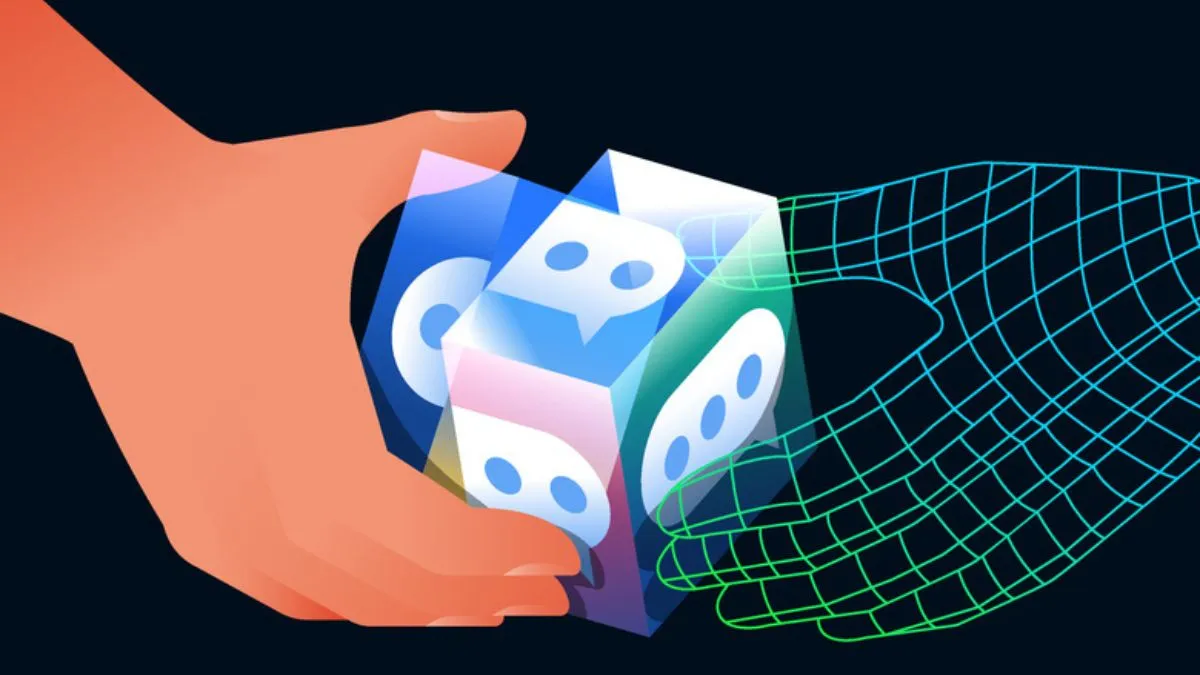
AI is reshaping both cyber defense and attack strategies. Experts stress the need for smart governance and human oversight in this evolving landscape.
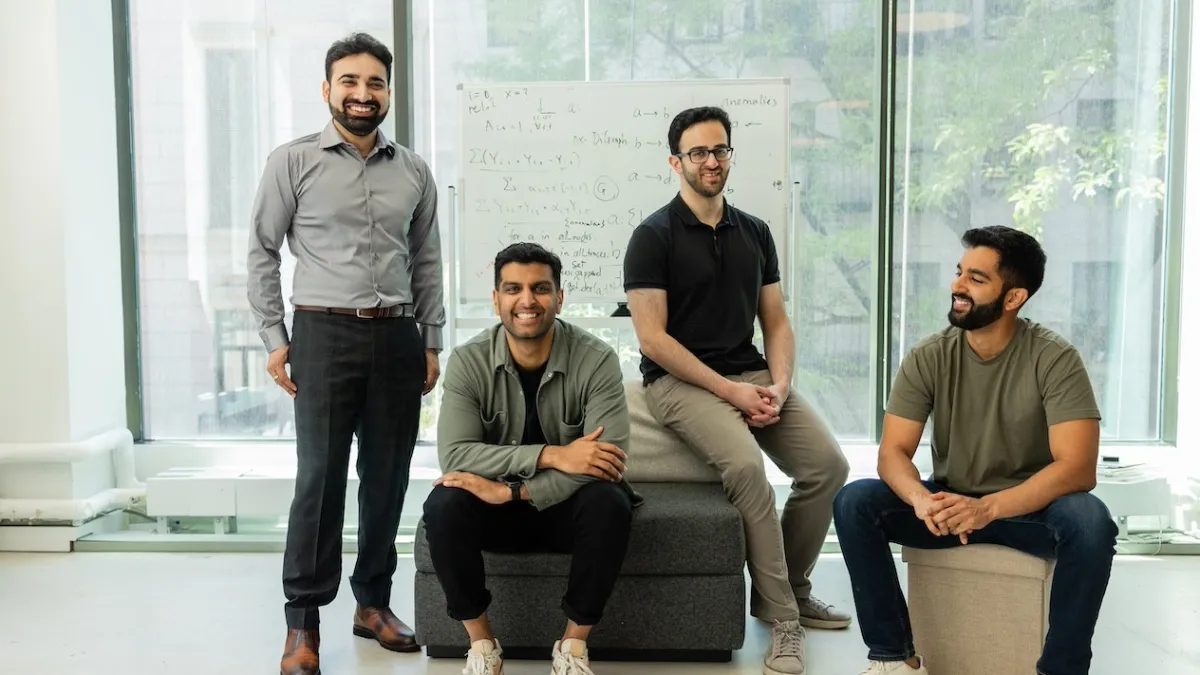
Columbia professor Anish Agarwal’s startup Traversal, backed by Sequoia and Kleiner Perkins, is using AI and causal machine learning to revolutionize software observability and eliminate the need for on-call engineers.
The Social Intervention Group (SIG) at Columbia School of Social Work announces its launch of the Artificial Intelligence for Social Good (AISG) Initiative.

New research shows that AI art makes human-made art seem more valuable, as people deeply value the creativity and effort only humans can bring.

New AI-based screening tools could help people who are falling through the cracks.
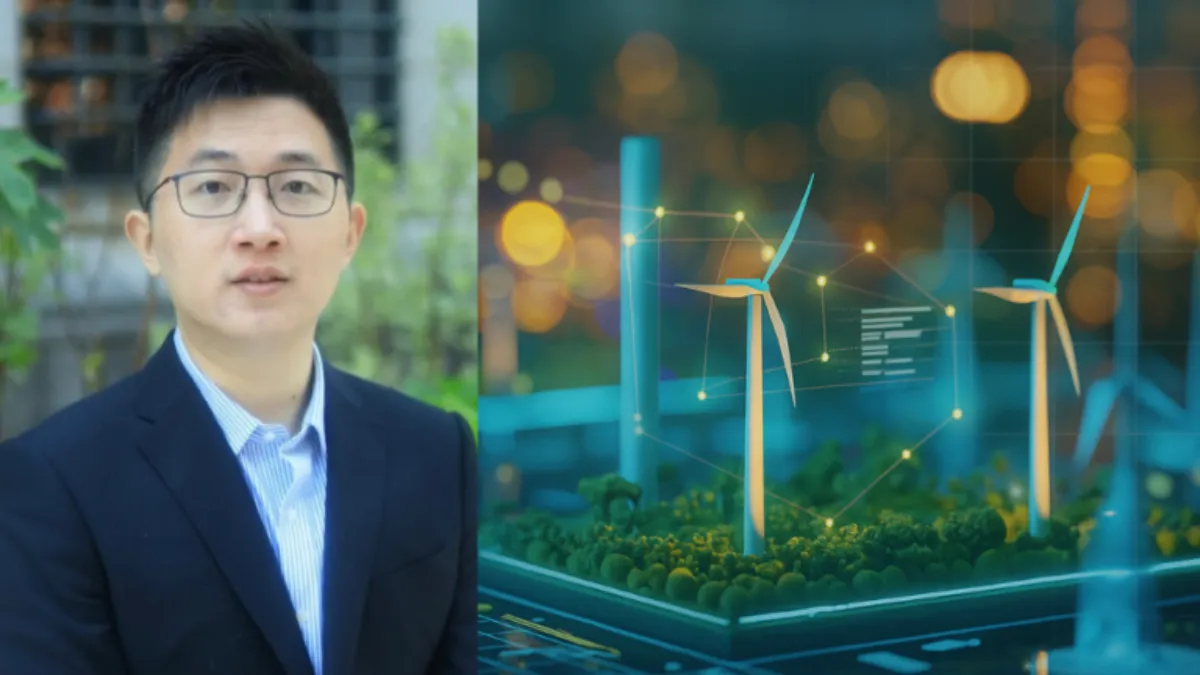
Dr. Ming Yi is advancing AI-powered energy systems at Columbia’s Data Science Institute by embedding physics and real-world constraints into smarter, more resilient models for the renewable energy transition.
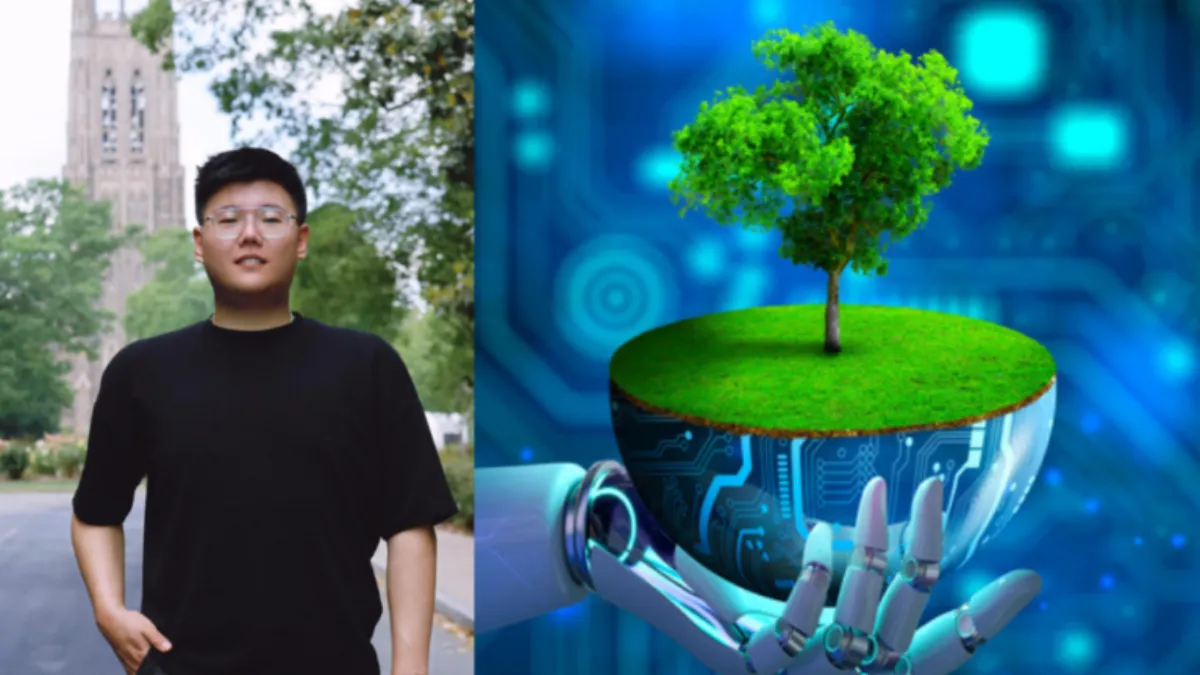
Dr. Shuolin (Shawn) Li is advancing climate science at Columbia’s Data Science Institute by merging AI, physics, and environmental modeling to build smarter, more reliable climate prediction tools.

Dr. Zhongyuan Lyu develops advanced statistical models at Columbia’s Data Science Institute to uncover hidden patterns in high-dimensional data across fields like genomics, neuroscience, and political science.