
Check back regularly for Columbia’s latest AI research, thought leadership, and real-world use cases from our schools, centers, and institutes.
For deeper perspectives in your inbox, subscribe to Columbia AI Insights—a new publication that brings experts from across domains and disciplines to go beyond the headlines and enrich the public conversations around AI.
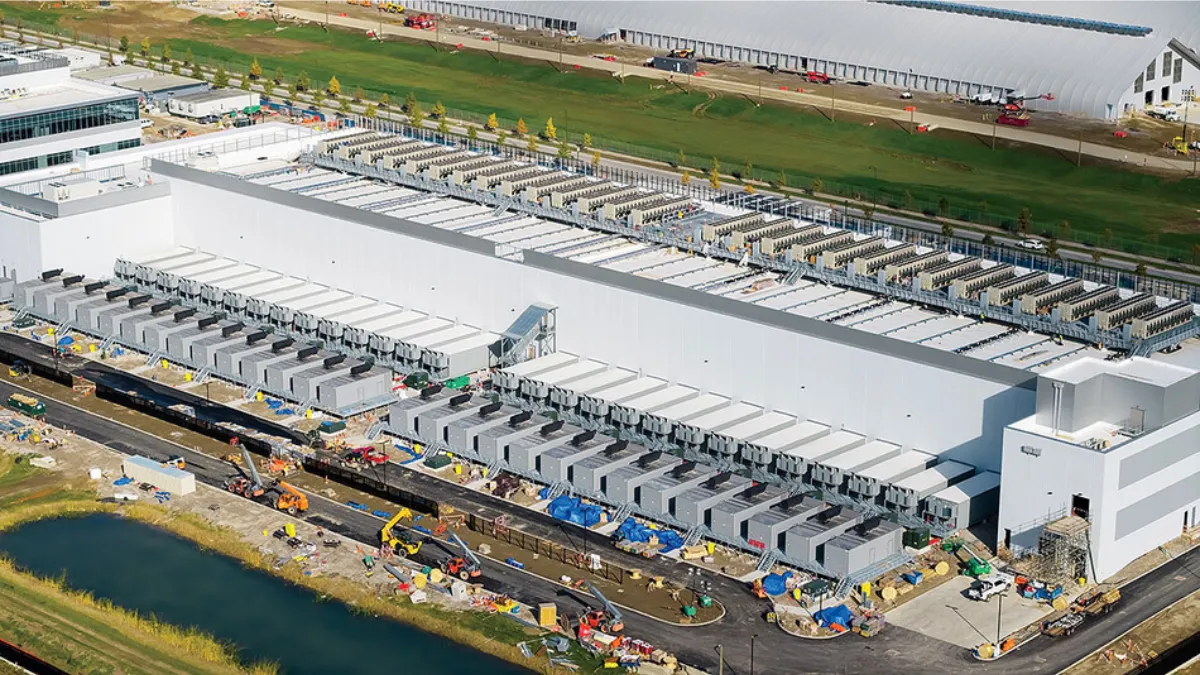
Growth driven by date center development comes with hidden economic risks, according to a new paper.

Education technology founder Luyen Chou’s (M.A. ’07) newest organization is using AI to support learning in classrooms and beyond

Math professors are reconsidering their pedagogy as AI models solve the world’s biggest—and smallest—math problems.
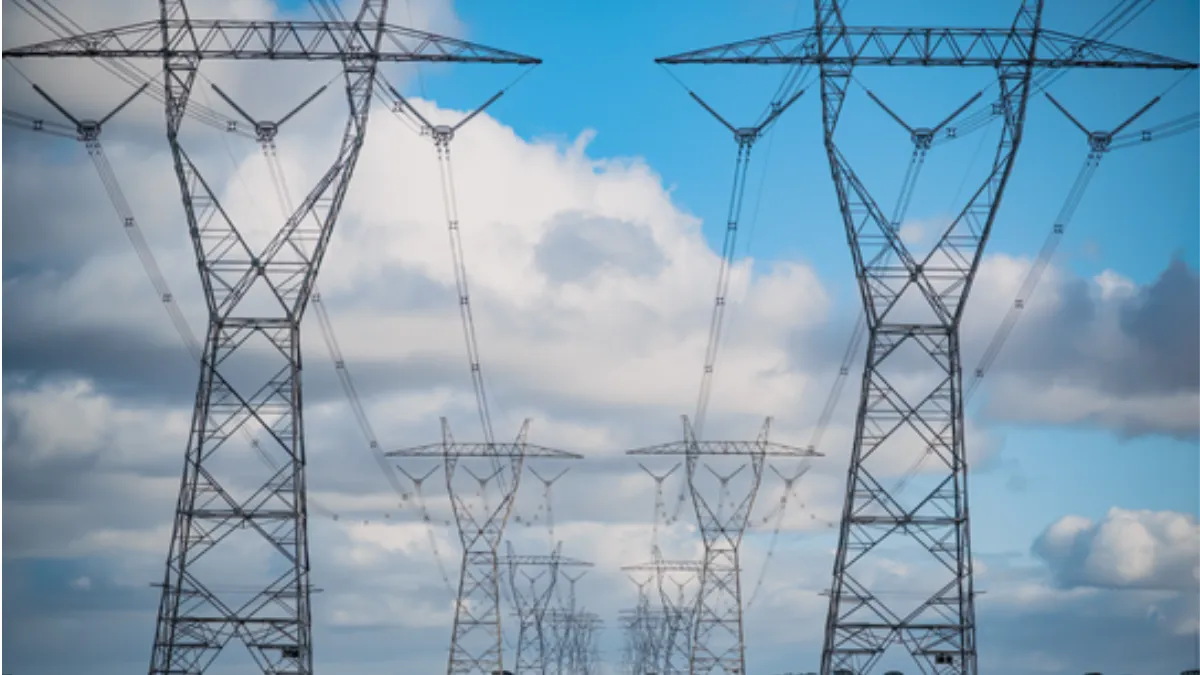
The world’s power grids deserve credit as arguably the largest, most complex machines humans have ever built. They also deserve some sorely needed attention: they’re currently under more pressure than ever before.
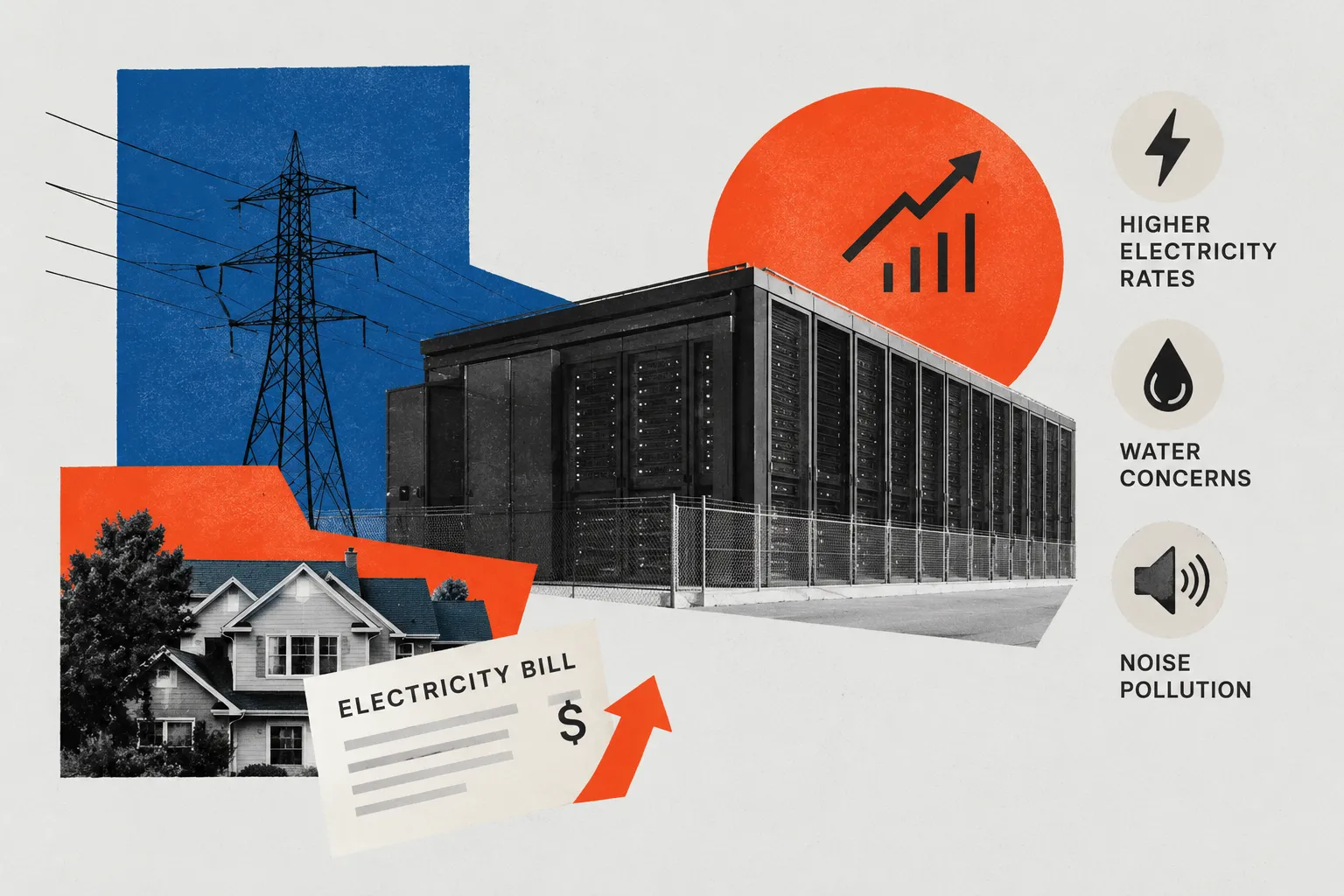
Research from Columbia SIPA finds that AI data centers can increase electricity prices, particularly for households, while placing pressure on local resources. It recommends expanding renewable energy, making data centers pay for grid upgrades, and introducing policies to protect communities and consumers.
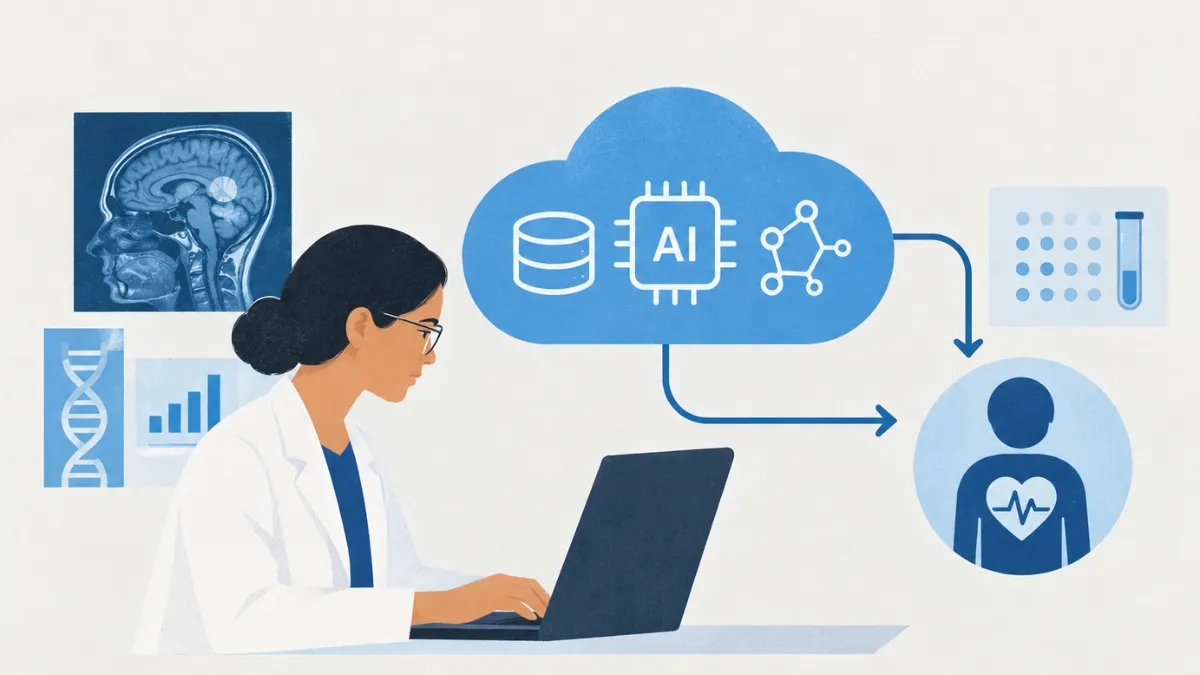
Columbia University Irving Medical Center and Amazon Web Services (AWS) have partnered to use AI, cloud computing, and machine learning to accelerate medical research, improve disease diagnosis, and develop personalized treatments.

Journalists and other experts tell us how, in the age of AI, technology is transforming the work of visual forensics. “We might have to be a little bit more imaginative,” Emily Tripp, of Airwars, says.
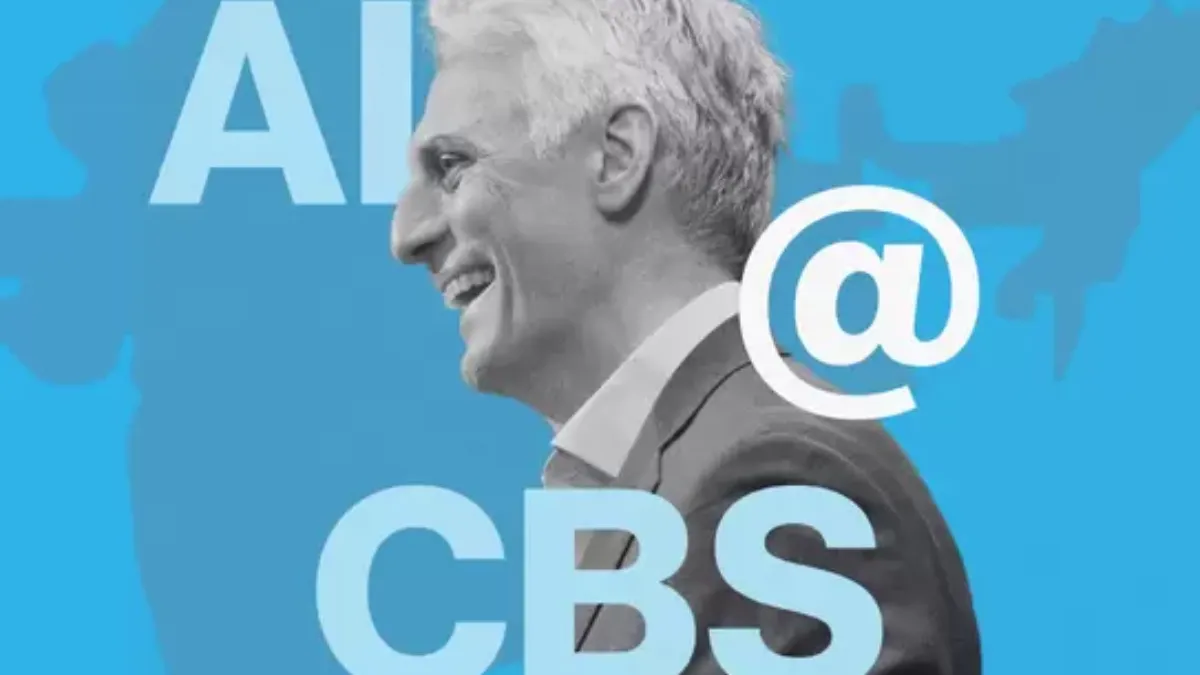
At Columbia Global Centers’ inaugural India Hour, Columbia Business School Dean Costis Maglaras explained why new AI capabilities can travel from research labs to businesses around the world within hours — and why converting them into lasting business value will require years of organizational change.

As AI reduces the need for human teams, the manager role remains.
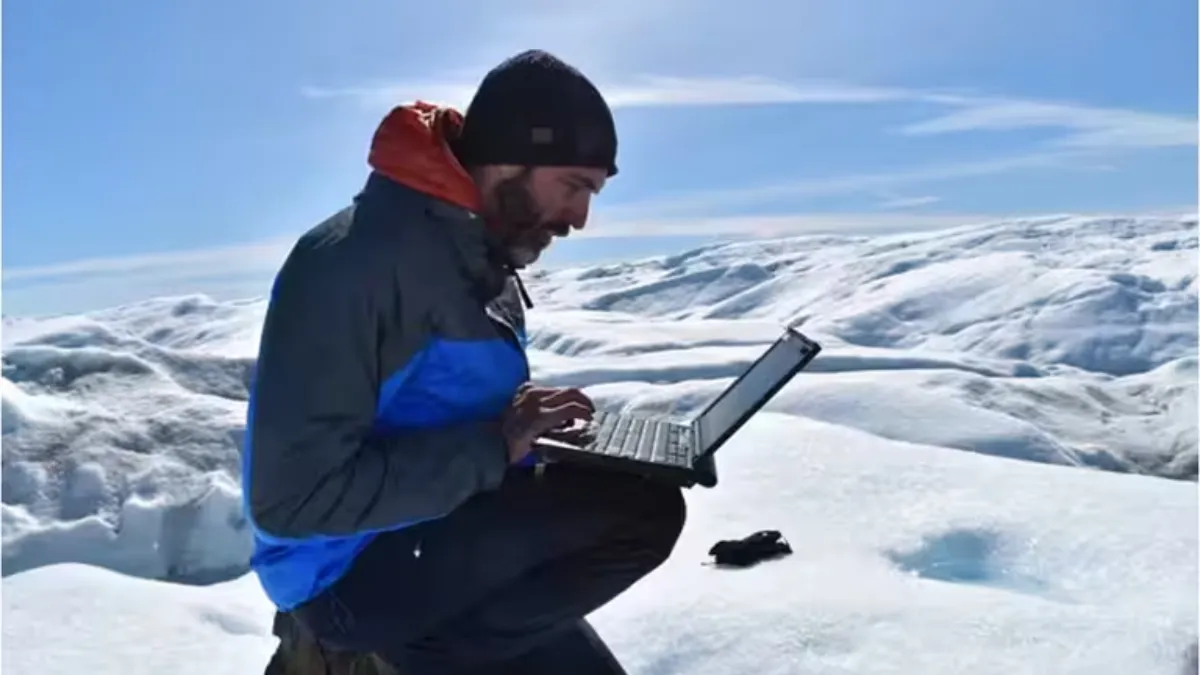
Marco Tedesco is leading an interdisciplinary initiative at Columbia to encourage the responsible use of AI in climate science while preserving human judgment, ethics, and curiosity. The initiative emphasizes AI’s potential benefits alongside its environmental costs, risks of inequality, and the need for transparency and accountability.
Clearing up confusion about how and why to disclose AI use in writing.

Columbia clinicians are studying how ChatGPT and other AI tools may reinforce harmful beliefs and endanger vulnerable users.