
Check back regularly for Columbia’s latest AI research, thought leadership, and real-world use cases from our schools, centers, and institutes.
For deeper perspectives in your inbox, subscribe to Columbia AI Insights—a new publication that brings experts from across domains and disciplines to go beyond the headlines and enrich the public conversations around AI.

Trust isn’t a feature—it’s the framework. At Data Science Day 2025, panelists unpacked what it takes to build AI systems that detect threats, explain themselves, and stand up to real-world pressure.

At Data Science Day’s opening panel, speakers tackled a core question: What are we really building with AI? From language models to climate tools, the focus was on purpose, power, and human responsibility.

At Data Science Day 2025, experts explored how AI in health care must reckon with more than data—it must navigate equity, history, and lived experience. The panel was cntered on care, not just code.


At Data Science Day 2025, over 450 attendees gathered to explore not just what AI can do, but what it should do—through research that connects technical innovation to social impact and accountability.

Generative AI is revolutionizing market research by offering unprecedented ways to understand customers, assess competitors, and extend data-driven decision-making organizationally.
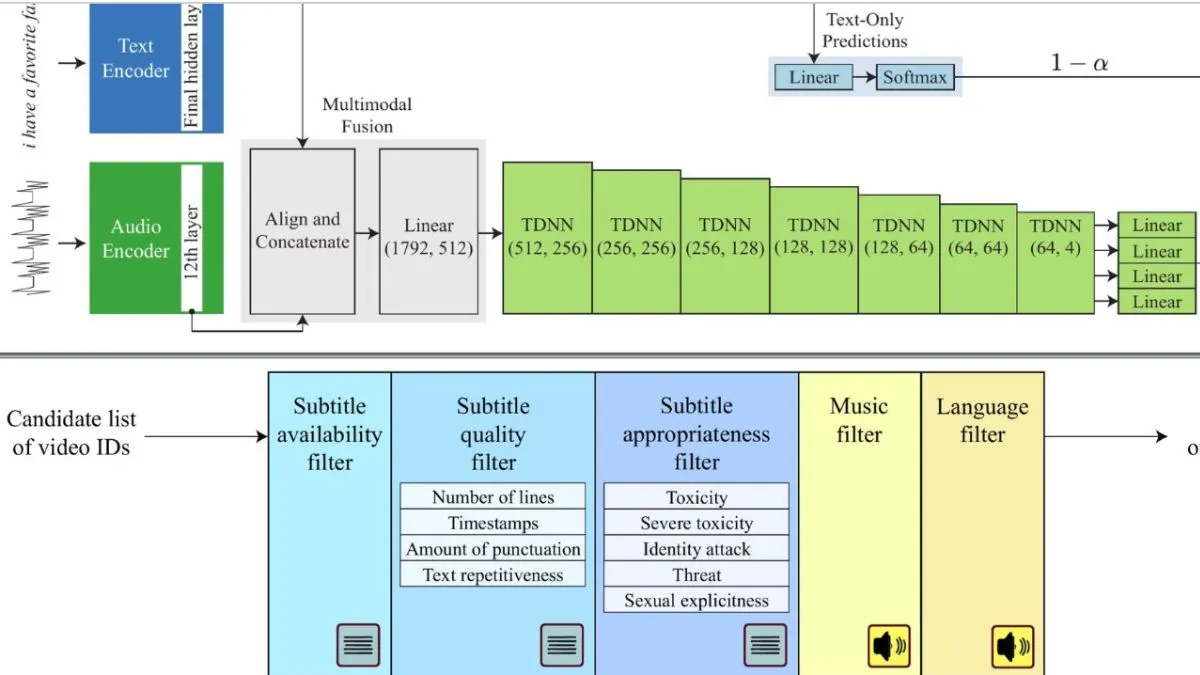
Professor Homayoon Beigi’s new approach to speech recognition could make voice-to-text systems smarter and more human-like.

A new collaboration aims to chart a path to building genuinely trustworthy AI agents.

This lecture series explores how artists, technologists, and legal scholars are responding to AI’s impact on photography and visual culture.

Ion Stoica, whose companies Databricks and AnyScale enable much of the AI ecosystem, delivers the latest in our Lecture Series in AI.

The renowned scholar previewed her most recent research about the future of work and the labor market in an AI-driven world.

A Columbia Engineering team addresses critical challenges in data communications that persistently block how well AI hardware systems perform.