
Check back regularly for Columbia’s latest AI research, thought leadership, and real-world use cases from our schools, centers, and institutes.
For deeper perspectives in your inbox, subscribe to Columbia AI Insights—a new publication that brings experts from across domains and disciplines to go beyond the headlines and enrich the public conversations around AI.
Launched this fall, the AI Initiative reflects a new approach to preparing lawyers for a profession increasingly shaped by AI.
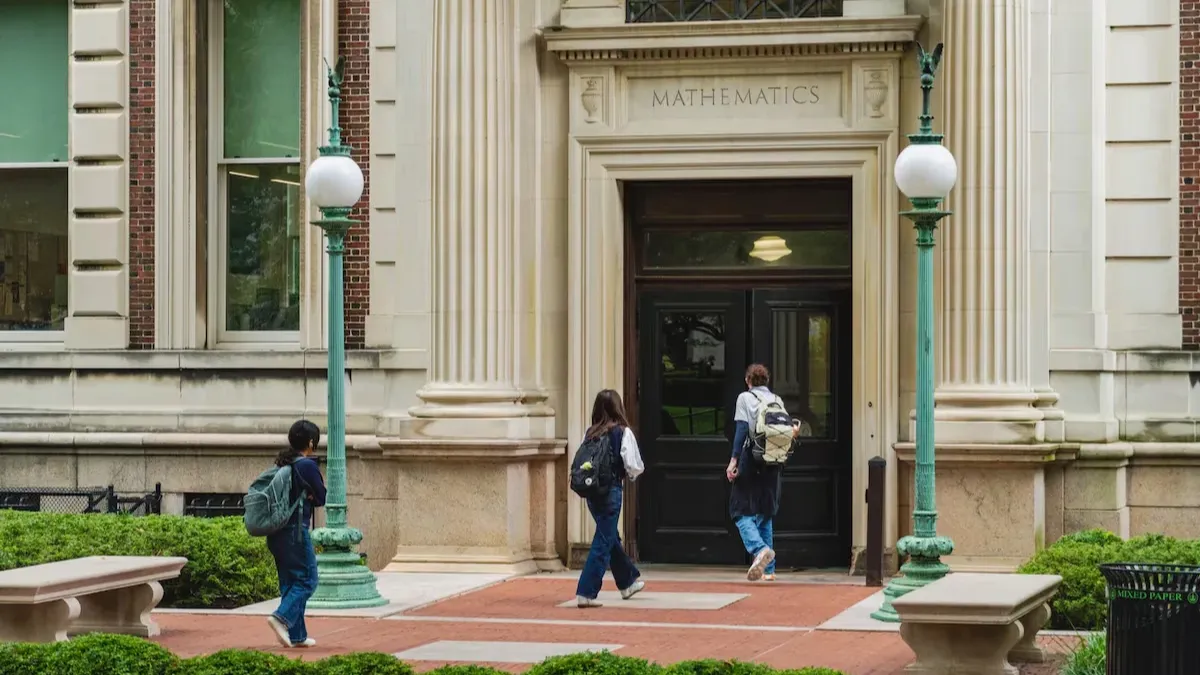
Buckmaster walked a packed room through his AI-assisted fluid proof and a faculty panel ruminated over AI’s role in math.
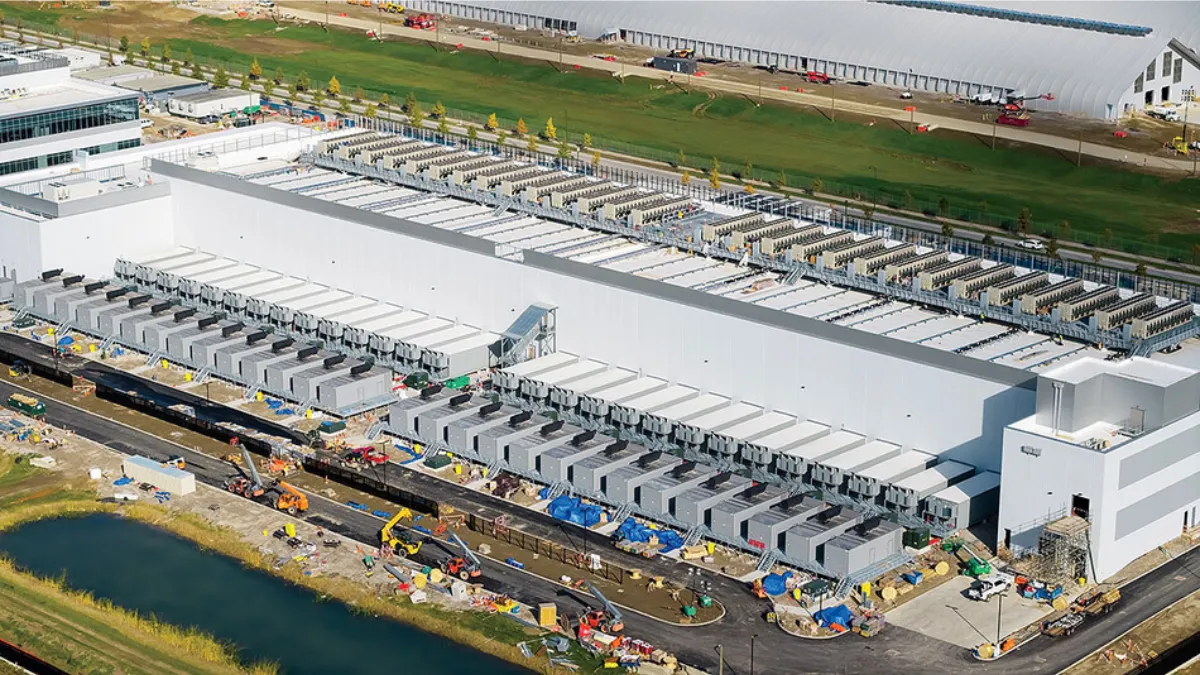
Growth driven by date center development comes with hidden economic risks, according to a new paper.

Education technology founder Luyen Chou’s (M.A. ’07) newest organization is using AI to support learning in classrooms and beyond
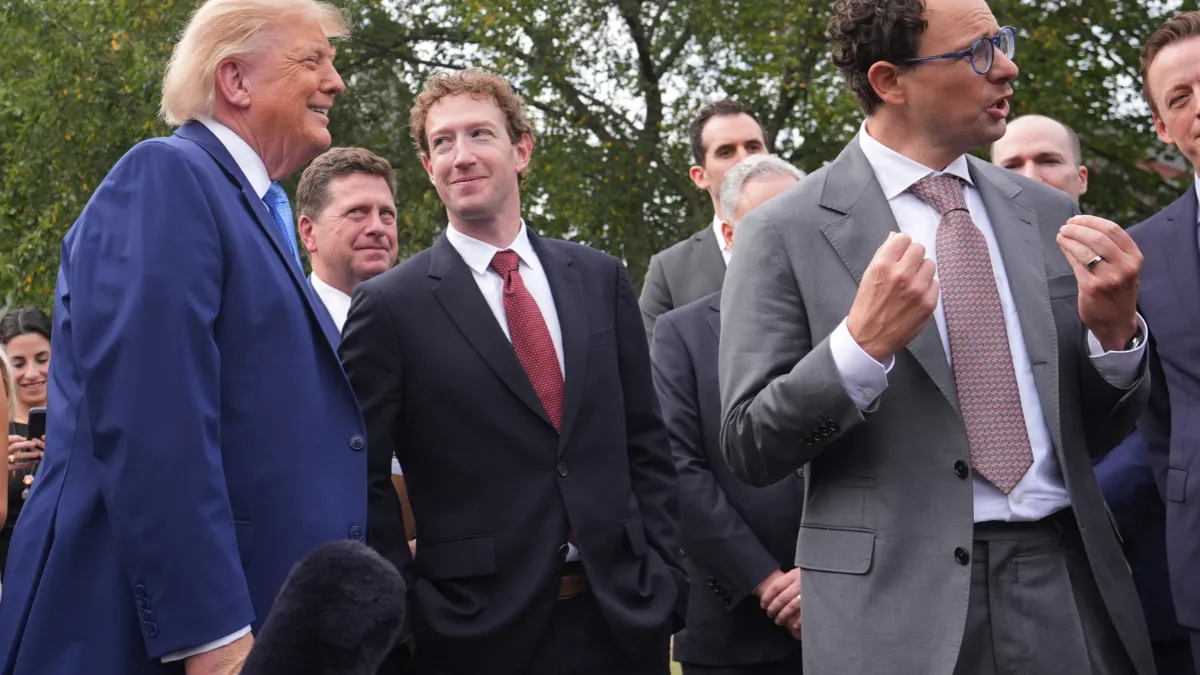
Big Tech has spent years resisting accountability. As the federal government adopts its own evasion tactics—locking out the press, and now investigating news networks—it’s worth remembering journalism’s essential democratic function.

A monthly newspaper, distributed as a PDF, is trying to imagine a future for journalism beyond the reach of Silicon Valley.
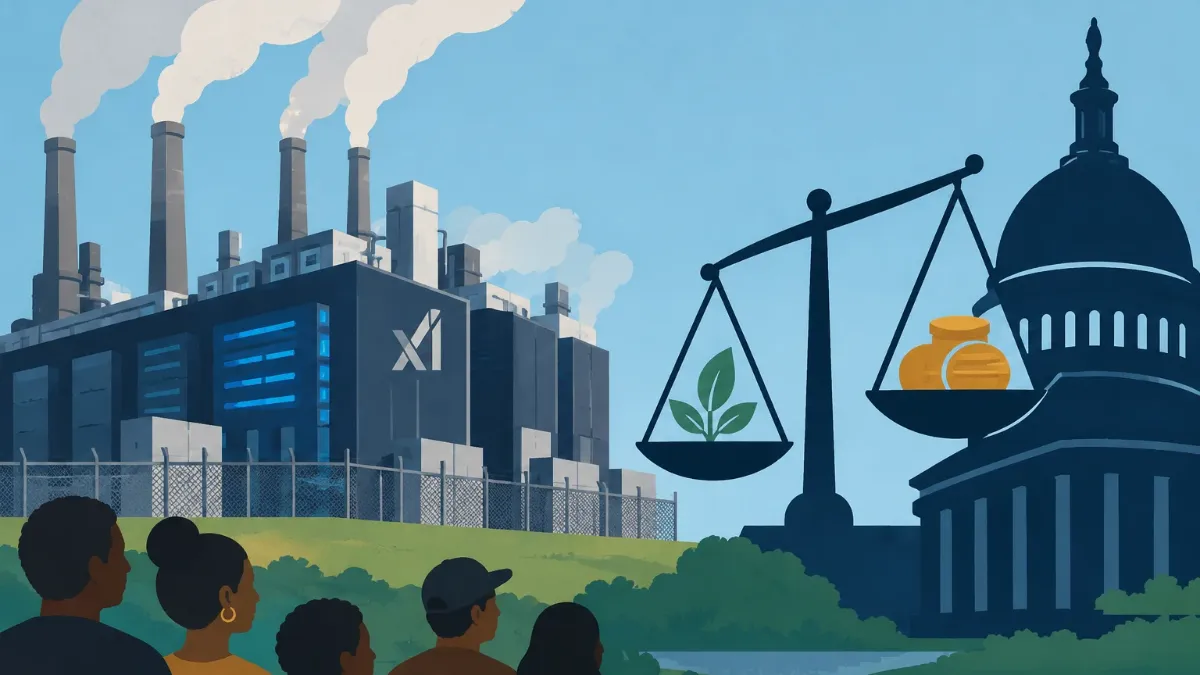
As the government prioritizes AI development and national security over environmental concerns, the xAI lawsuit raises questions about corporate accountability, environmental justice, and the future of citizen-led enforcement.
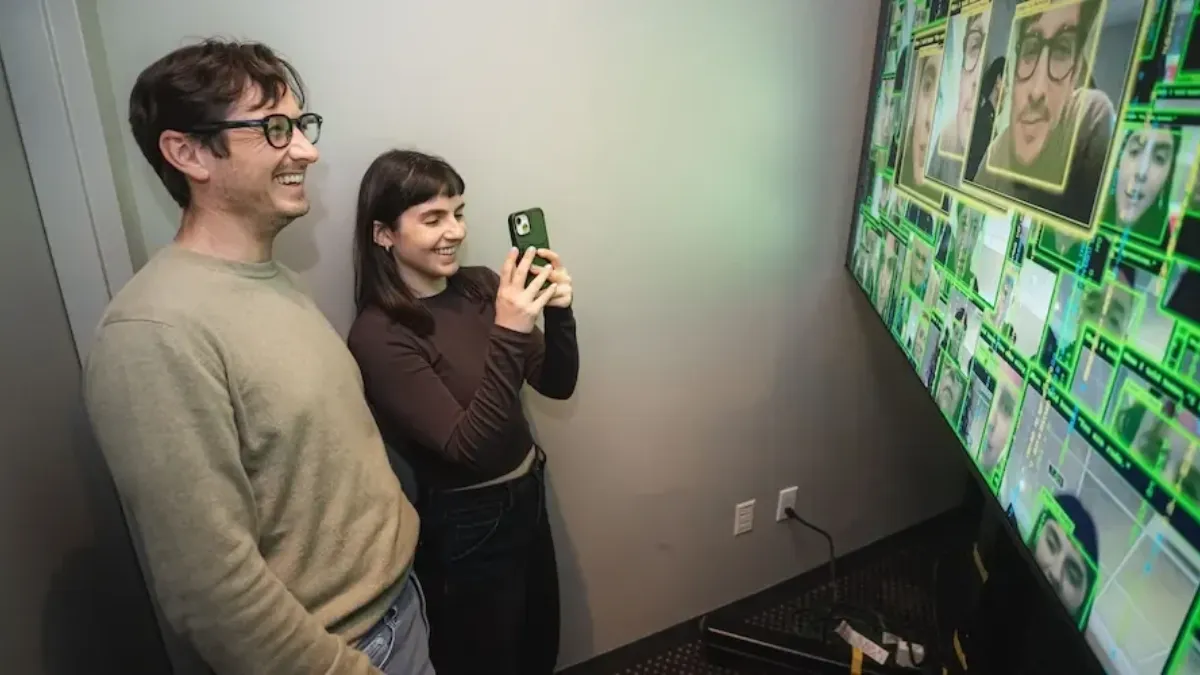
Columbia’s School of the Arts and SEAS are launching an AI and Arts, Creativity, and Media concentration that combines artificial intelligence with creative fields such as storytelling, film, photography, and digital media.

For a data center investor, a signed lease with a major technology company is a powerful selling point. The tenant has deep pockets, demand for computing capacity is growing, and access to power limits competing supply. Put those features together, and a new campus can look like an unusually attractive real estate investment.

Stijn Van Nieuwerburgh featured in The Wall Street Journal on the economics of the AI investment boom. His research is cited as the basis for an estimate that AI companies would need to generate roughly $3.5 trillion in annual revenue by 2032—about 8.8% of U.S. GDP—to justify the enormous capital being invested in AI infrastructure.

Columbia and City College researchers are developing an AI-powered yeast sensor that can detect PFAS forever chemicals in drinking water faster and more cheaply than conventional testing methods.

Michael Morris, Chavkin-Chang Professor of Leadership, Management Division is the author of this Fortune commentary, “I study tribal psychology and build AI agents for my business students—the rogue OpenAI ‘swarm’ alarmed me”.