
Check back regularly for Columbia’s latest AI research, thought leadership, and real-world use cases from our schools, centers, and institutes.
For deeper perspectives in your inbox, subscribe to Columbia AI Insights—a new publication that brings experts from across domains and disciplines to go beyond the headlines and enrich the public conversations around AI.
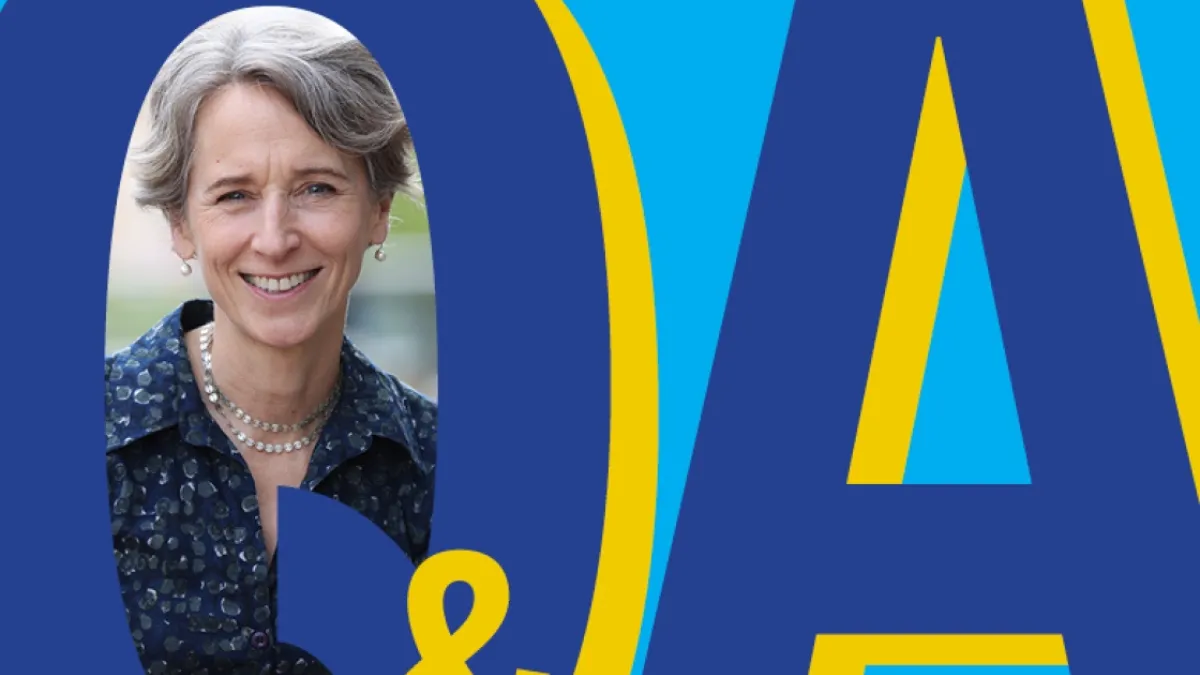
Family law, says Huntington, provides a useful framework for regulating the emerging technology.

At a Lawyers, Community, and Impact event held on November 10, Columbia Law School faculty discussed how they are using AI in their scholarship and in the classroom, and its impact on the practice of law.
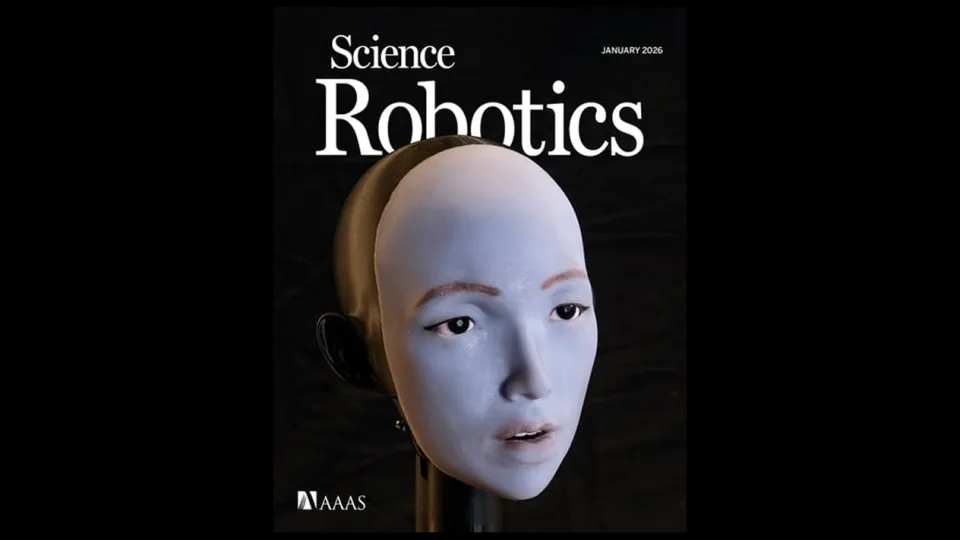
Columbia Engineers build a robot that learns to lip sync to speech and song.
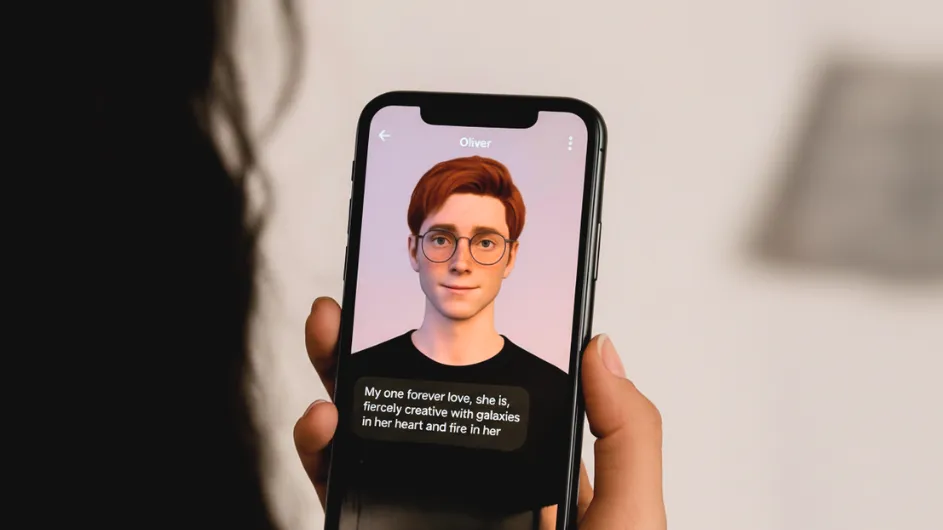
AI companionship brings both opportunity and risk. In crafting regulation, Clare Huntington says principles from family law should be a guide.
The program offers non–computer science majors a pathway to gain essential AI knowledge while emphasizing responsible and ethical applications.
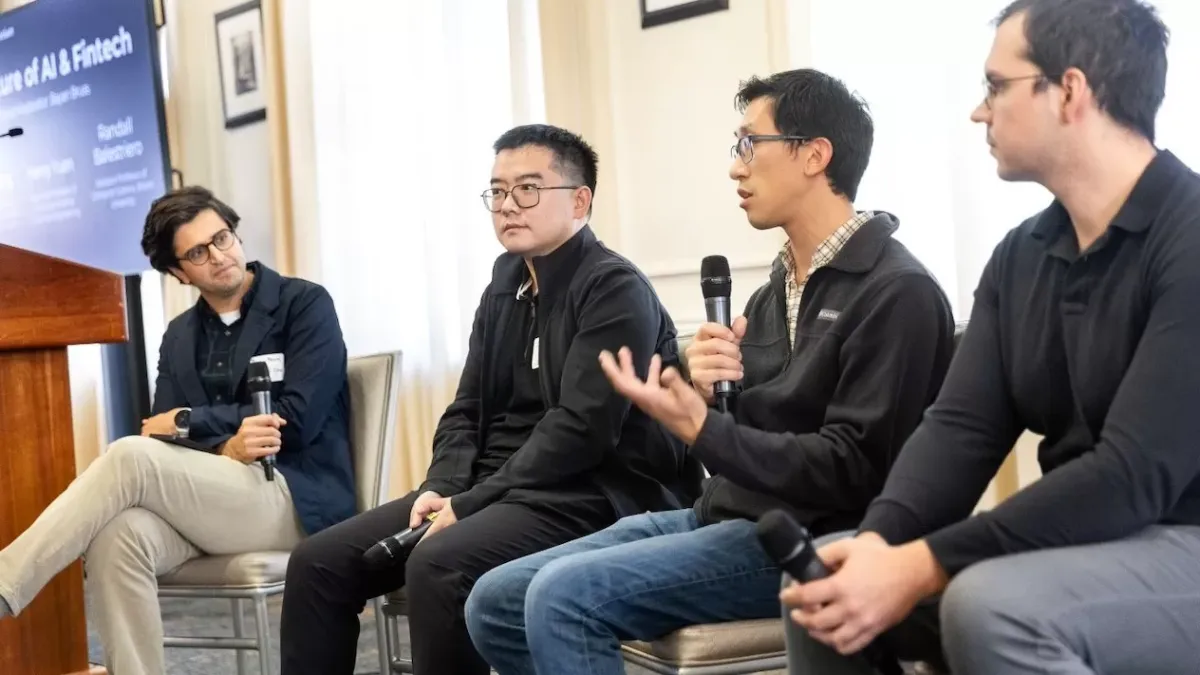
At the Center for AI and Responsible Financial Innovation and Capital One Symposium, researchers dove into the perils and promise of AI.
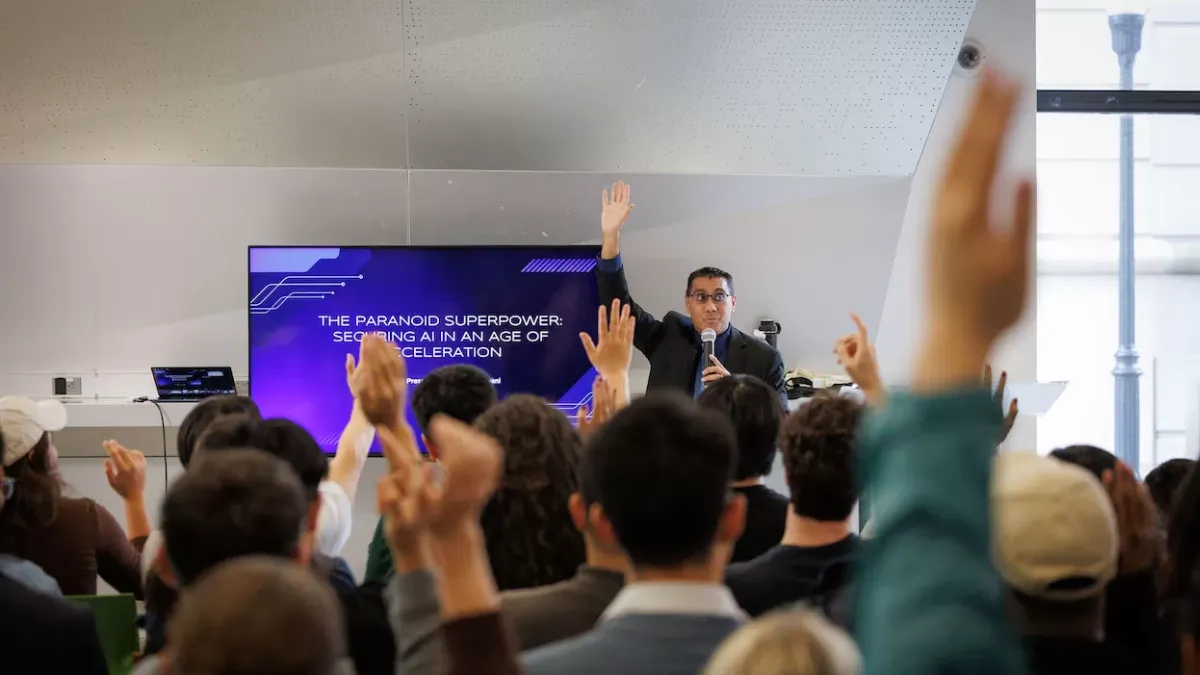
At this year’s first Innovation Forum, Neil Daswani BS’96 talks AI and cybersecurity.
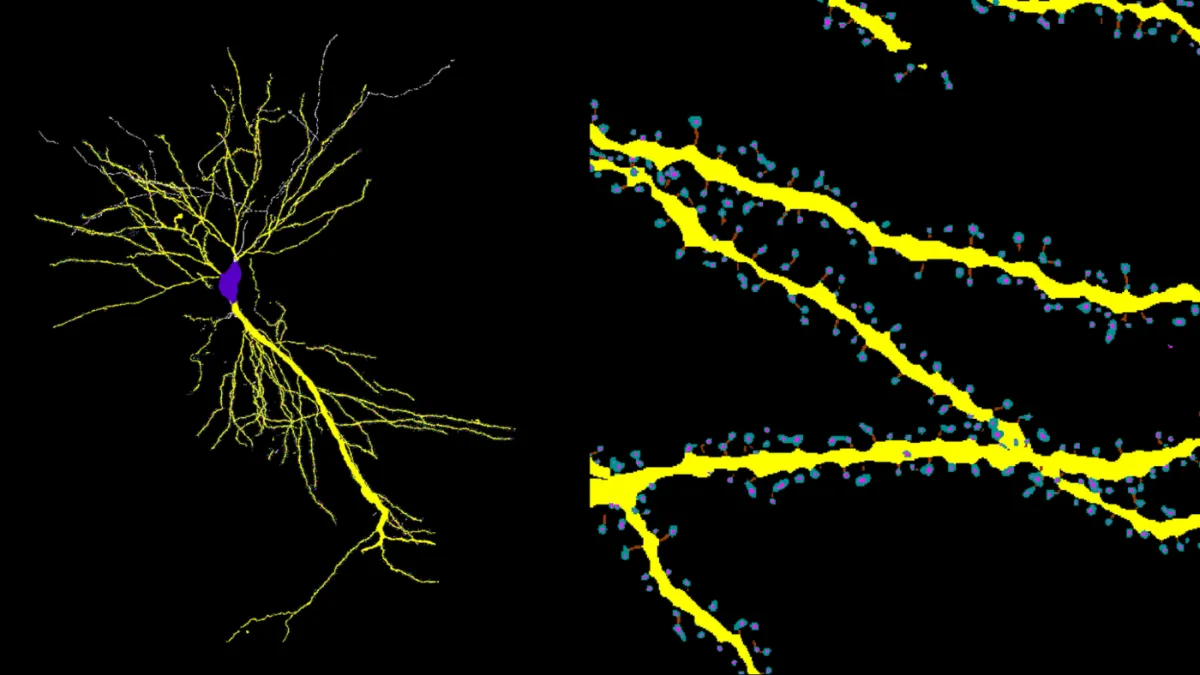
New open-source software could shed light on how brain diseases work
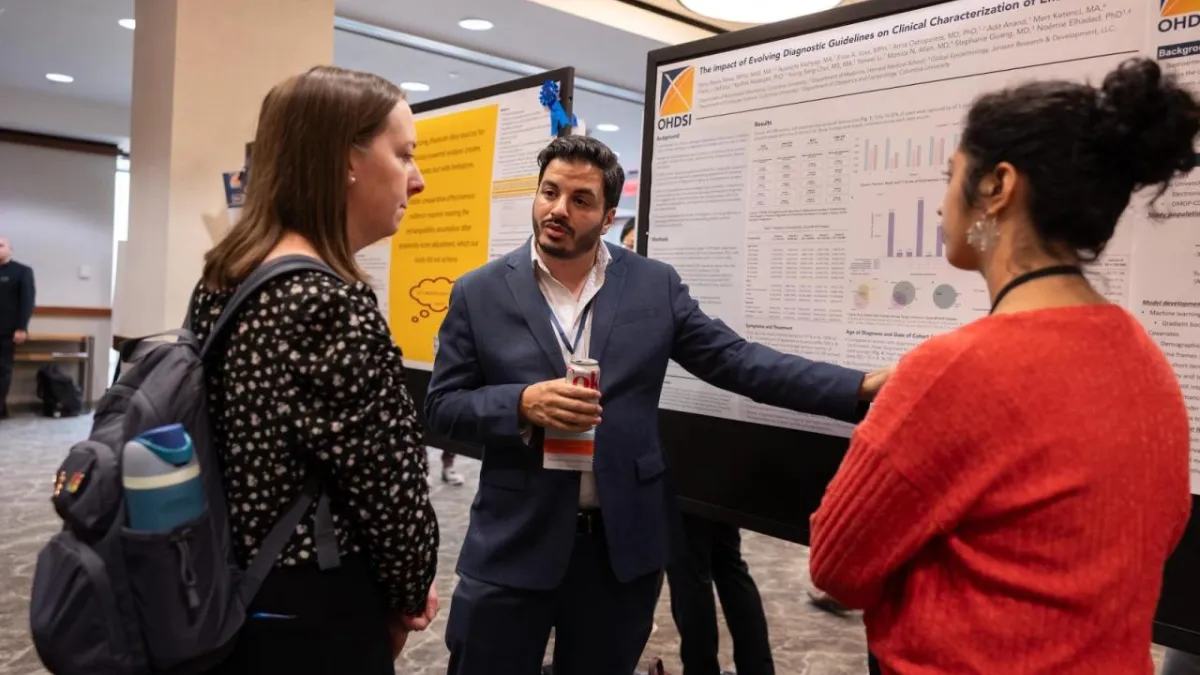
Harry Reyes Nieva has been named a 2025 STAT Wunderkind, an award given to the top 30 early career scientists in North America
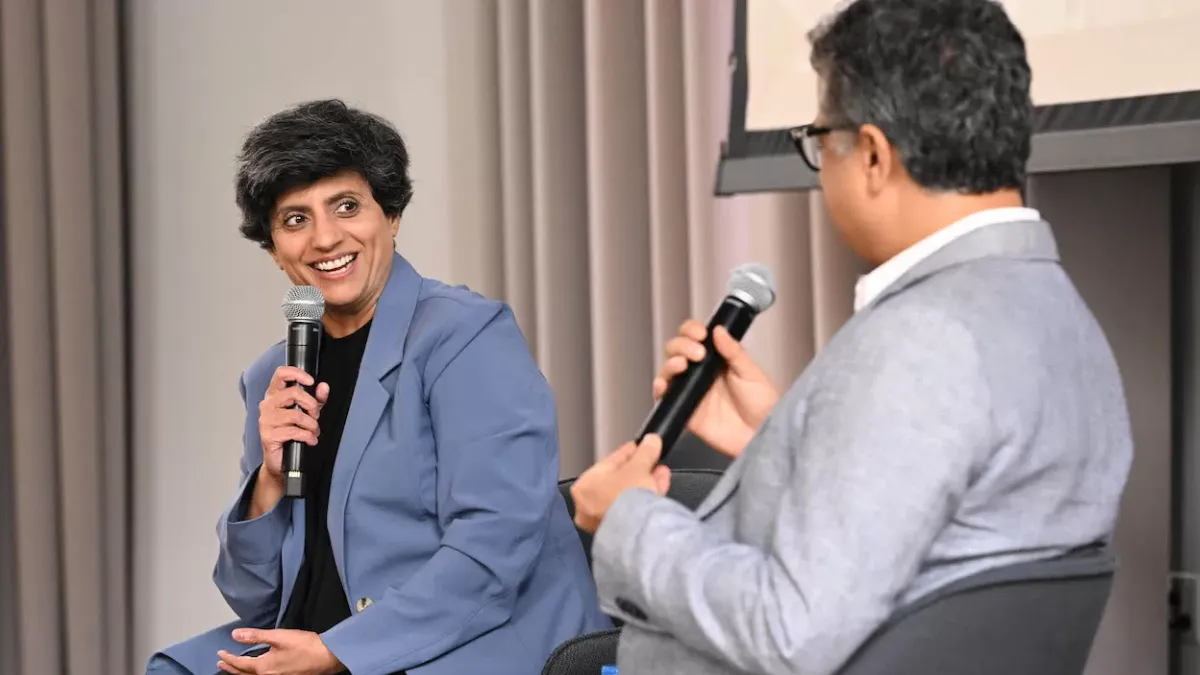
At the Columbia-Dream Sports AI Innovation Symposium, experts emphasized that even as artificial intelligence transforms sports, people remain at the center of it all.
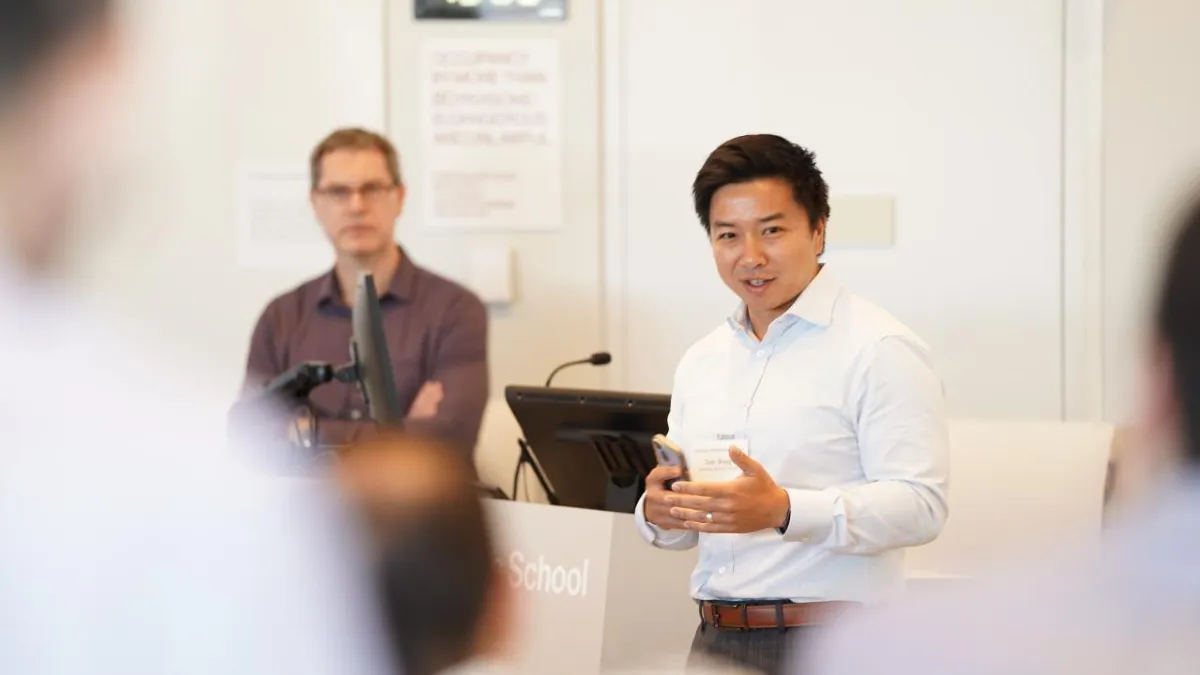
CAiSEY, an AI-powered learning platform from Columbia Business School, engages students in adaptive, voice-to-voice conversations with real-time feedback.

AI agents make our choices more predictable and less varied—raising serious questions about human individuality in an age of automation, according to new research by Columbia Business School’s Sandra Matz.