
Check back regularly for Columbia’s latest AI research, thought leadership, and real-world use cases from our schools, centers, and institutes.
For deeper perspectives in your inbox, subscribe to Columbia AI Insights—a new publication that brings experts from across domains and disciplines to go beyond the headlines and enrich the public conversations around AI.

Dr. Stella Kang discusses how Columbia’s new Center for Advanced Diagnostic Research (CADRe) will use AI and integrated patient data to improve diagnostics, personalize treatments, and advance precision medicine.

Columbia SIPA faculty are rethinking teaching and assessment by integrating AI into coursework while emphasizing students’ critical thinking, analysis, and ability to defend their ideas.
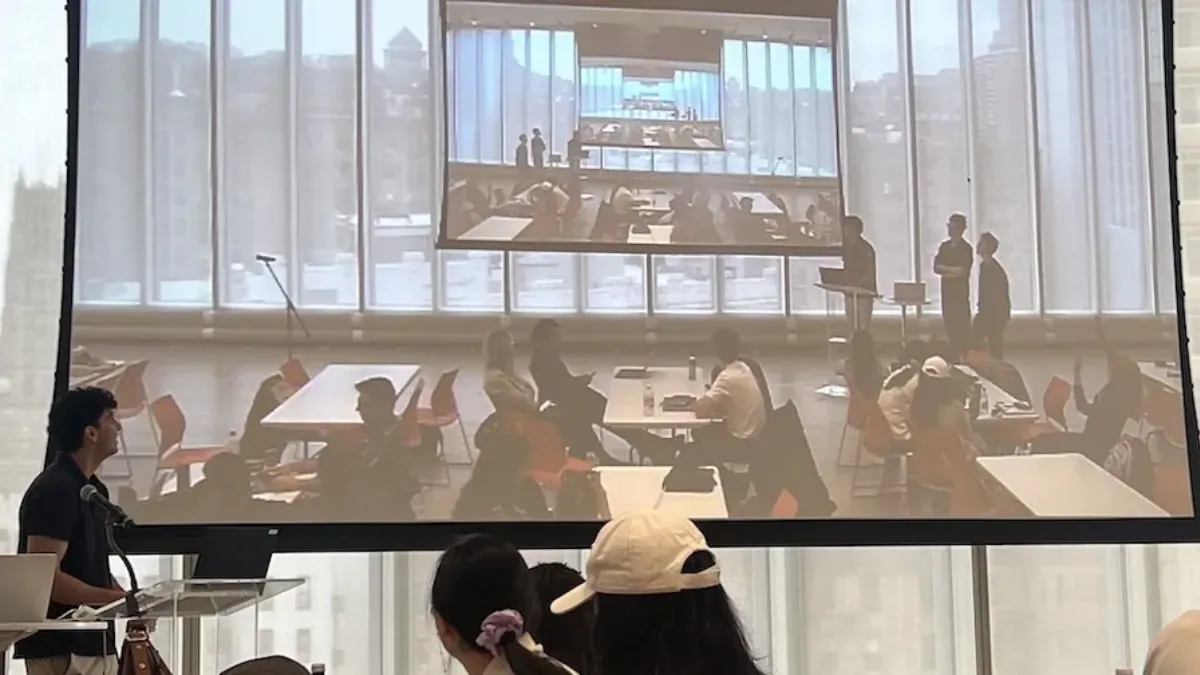
Columbia’s Digital Storytelling Lab brought together people from diverse backgrounds to explore AI-powered “vibe coding,” demonstrating how collaborative, human-centered use of AI can foster creativity, innovation, and critical thinking.
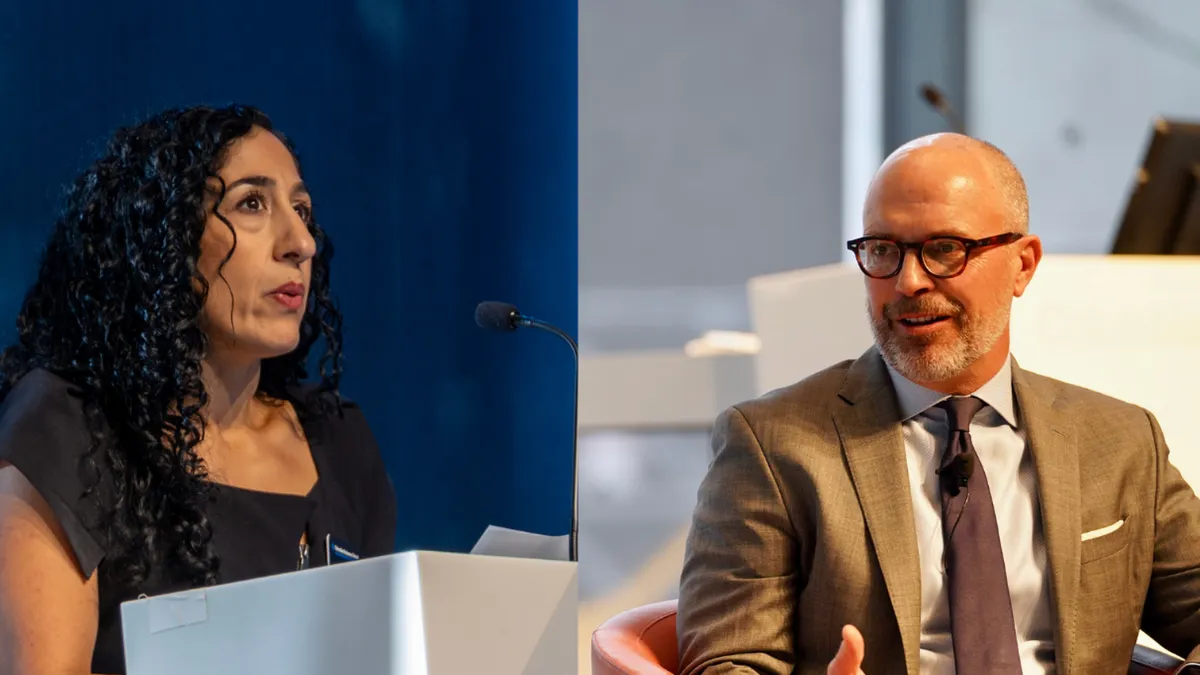
As AI raises the bar for MBAs, Columbia Business School is exploring how students can build AI fluency and prepare for the roles that are still taking shape.
Tech companies say that LLMs work better if they remember things about you. But people may find themselves “insulated from the truth by the very tools they use to seek it.”

AI is transforming learning management by uncovering and organizing hidden insights within existing content, allowing organizations to repurpose materials and make smarter, more strategic use of their knowledge assets.

Jeremy Caplan, a journalism teacher and newsletter author, on the potential of AI and its limits.

Large language models can process vast amounts of text—but their ability to interpret nuance, hidden meaning, and nonlinear storytelling remains an open question.

How is style encoded within the “black box” of deep neural networks?

The company’s CEO Meredith Kopit Levien explains how a 175-year-old institution became a digital subscription powerhouse — while defending journalism’s future in the AI era.
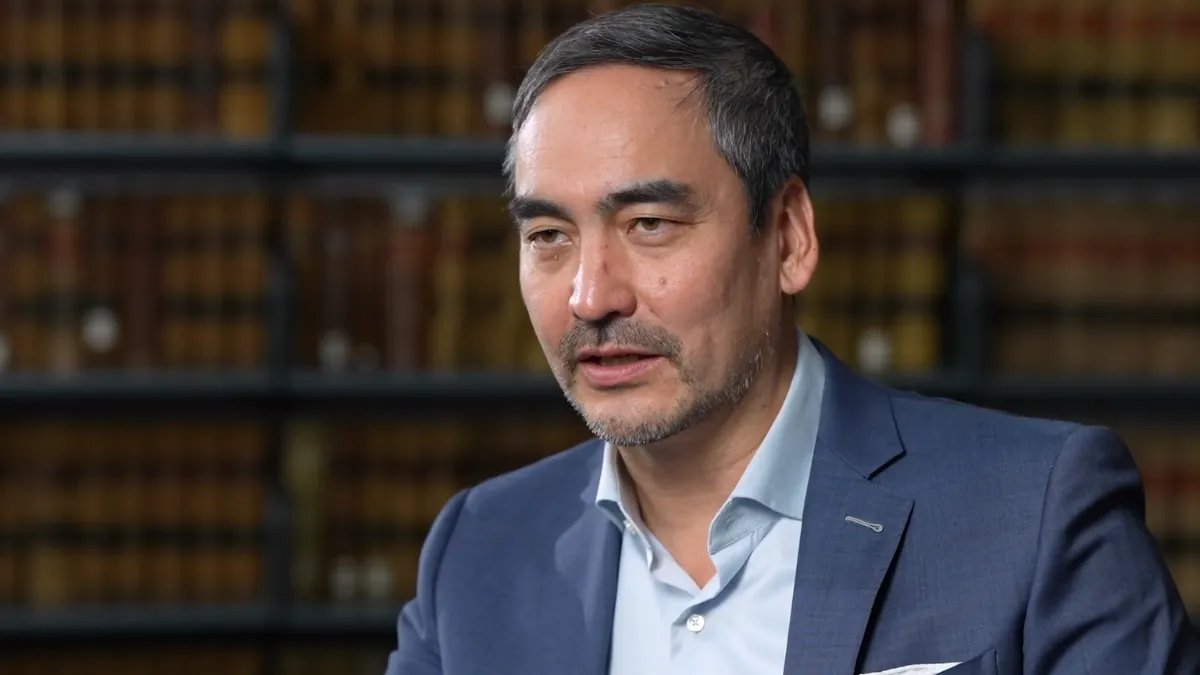
Tim Wu, Columbia Law professor, discusses his new book and explains how tech platforms extract wealth, paving the way for a rise in autocracy.
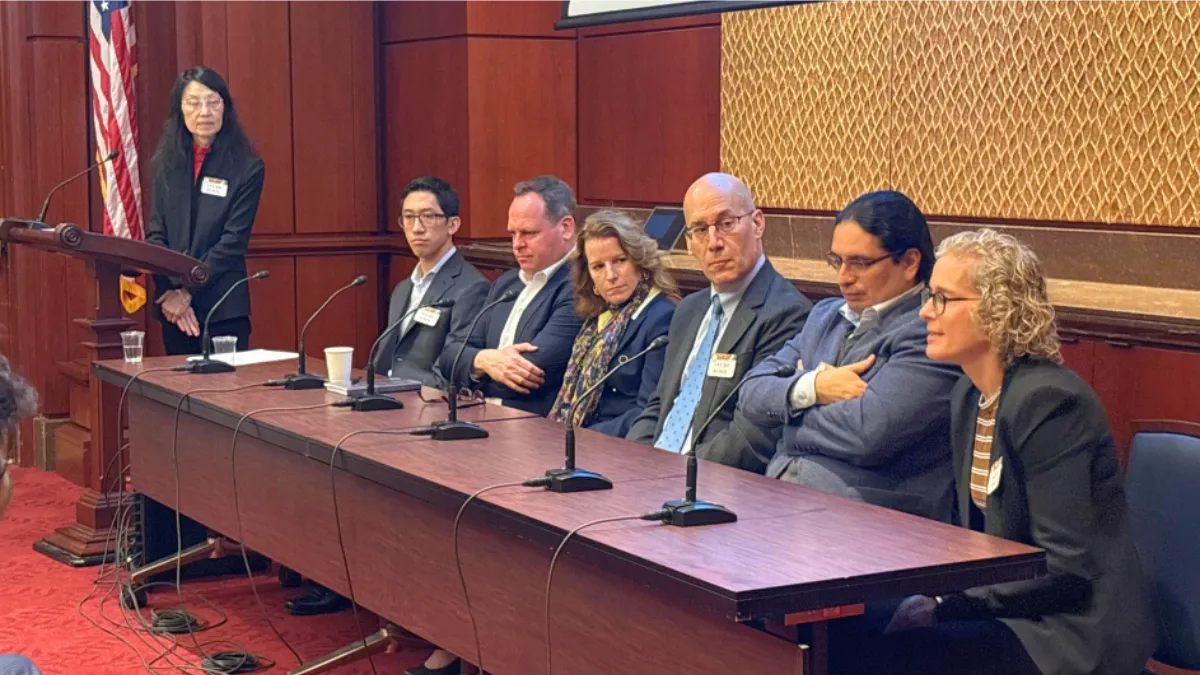
Universities will be critical to keeping America at the forefront of this rapidly advancing field, says research panel.