
Check back regularly for Columbia’s latest AI research, thought leadership, and real-world use cases from our schools, centers, and institutes.
For deeper perspectives in your inbox, subscribe to Columbia AI Insights—a new publication that brings experts from across domains and disciplines to go beyond the headlines and enrich the public conversations around AI.
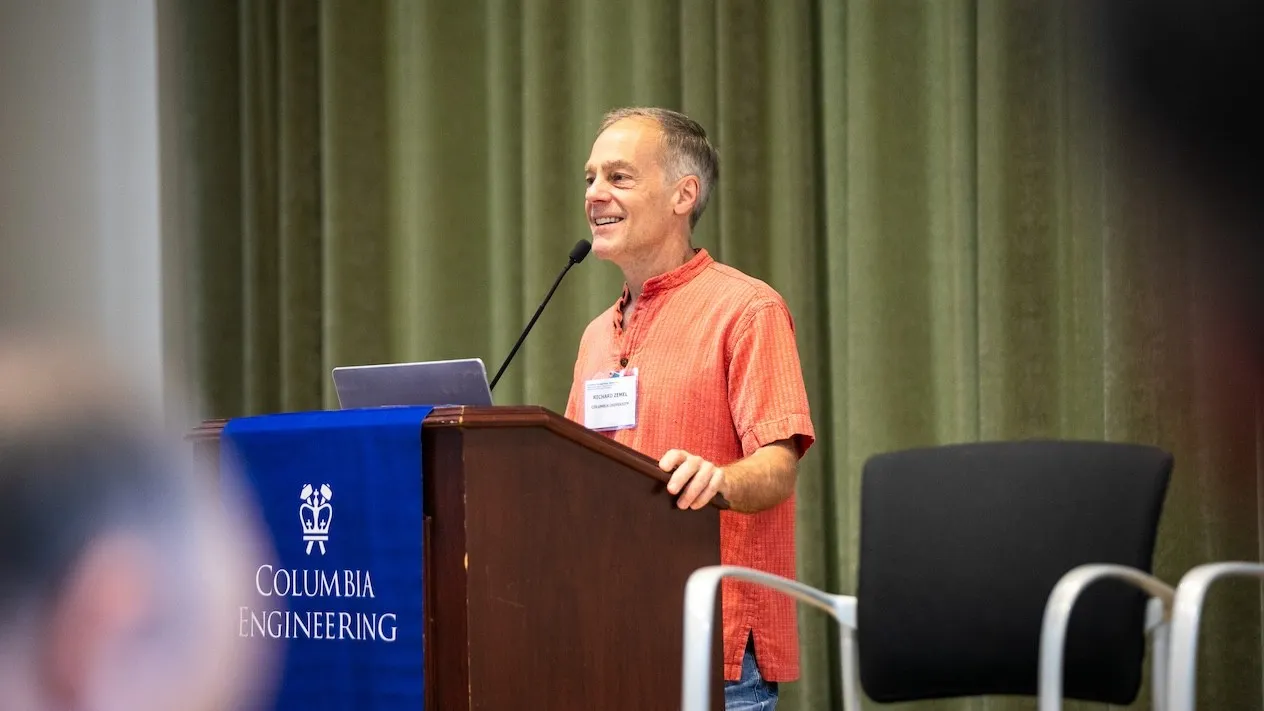
Experts came together at Columbia to explore how brain science can shape the next generation of AI.

Columbia Nursing students are in the vanguard of the national conversation about artificial intelligence in nursing.

Columbia VP&S launches an AI initiative to advance patient care, research, and education through responsible AI integration in medicine.
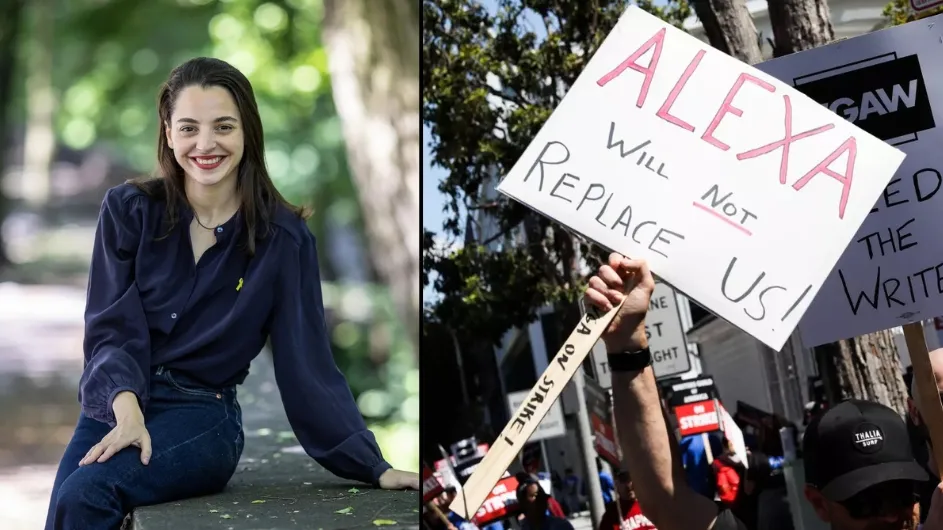
Postdoc Shir Raviv studies how public trust in AI is shaped by experiences and perceptions of fairness, emphasizing the need for democratic, transparent governance of algorithmic decision-making.
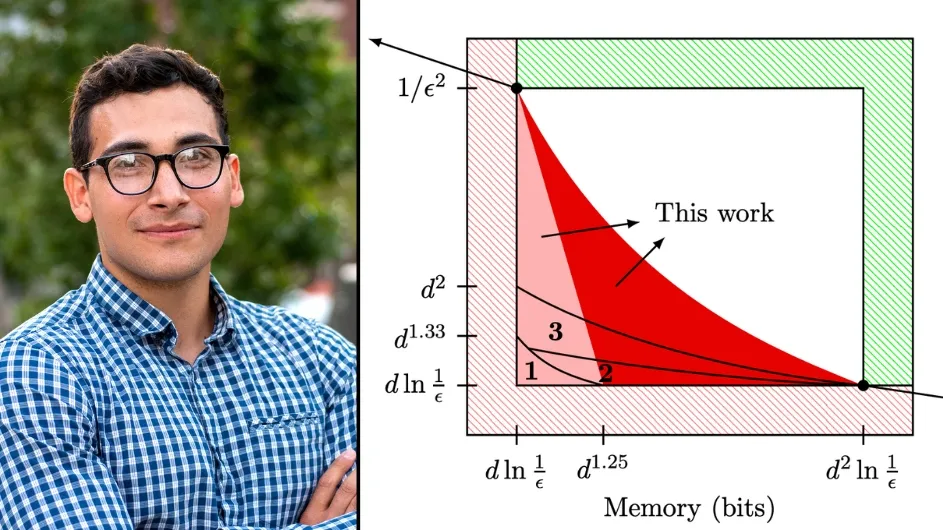
Postdoc Moïse Blanchard explores the theoretical limits of machine learning, developing adaptable algorithms that can learn efficiently—even with limited data and memory. His work in statistical learning theory helps define when learning is possible and how machines can generalize across scenarios.

As Big Tech retreats from old news deals and pivots to generative AI, publishers face disintermediation, traffic declines, and copyright tensions, so they’re prioritizing direct audience relationships and cautious AI experimentation.
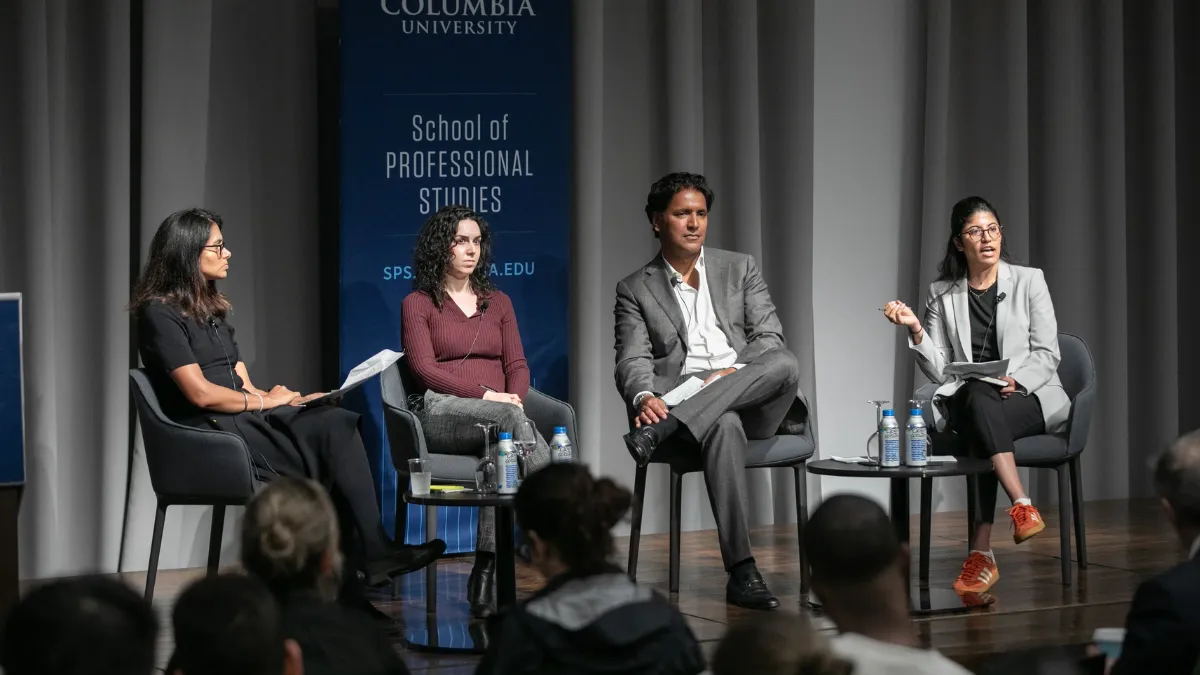
AI can aid sustainability, but ethical use demands collaboration, equity, and local innovation.

Columbia SIPA explores how AI agents can enhance global governance by digitally representing marginalized voices in international decision-making.

TerraPower CEO, Chris Levesque, discusses the company's innovative nuclear energy approach, powered by AI, as a safer, more efficient solution for a clean energy future.

Professor Sandra Matz's research, as detailed by Cox, demonstrates how our digital footprints unveil profound aspects of our personalities and beliefs, information that can be leveraged for psychological targeting, sparking worries regarding privacy and the potential for manipulation.

Columbia SIPA introduces 13 AI-focused courses and a new STEM-designated MPA program to prepare future policy leaders in an AI-driven world.

A Columbia Business School study by Professor Eric Johnson found that Americans frequently misidentify the most effective ways to reduce carbon emissions, suggesting that clear, nutrition-label-style information from companies could guide consumers toward more sustainable choices.