Check back regularly for Columbia’s latest AI research, thought leadership, and real-world use cases from our schools, centers, and institutes.
For deeper perspectives in your inbox, subscribe to Columbia AI Insights—a new publication that brings experts from across domains and disciplines to go beyond the headlines and enrich the public conversations around AI.
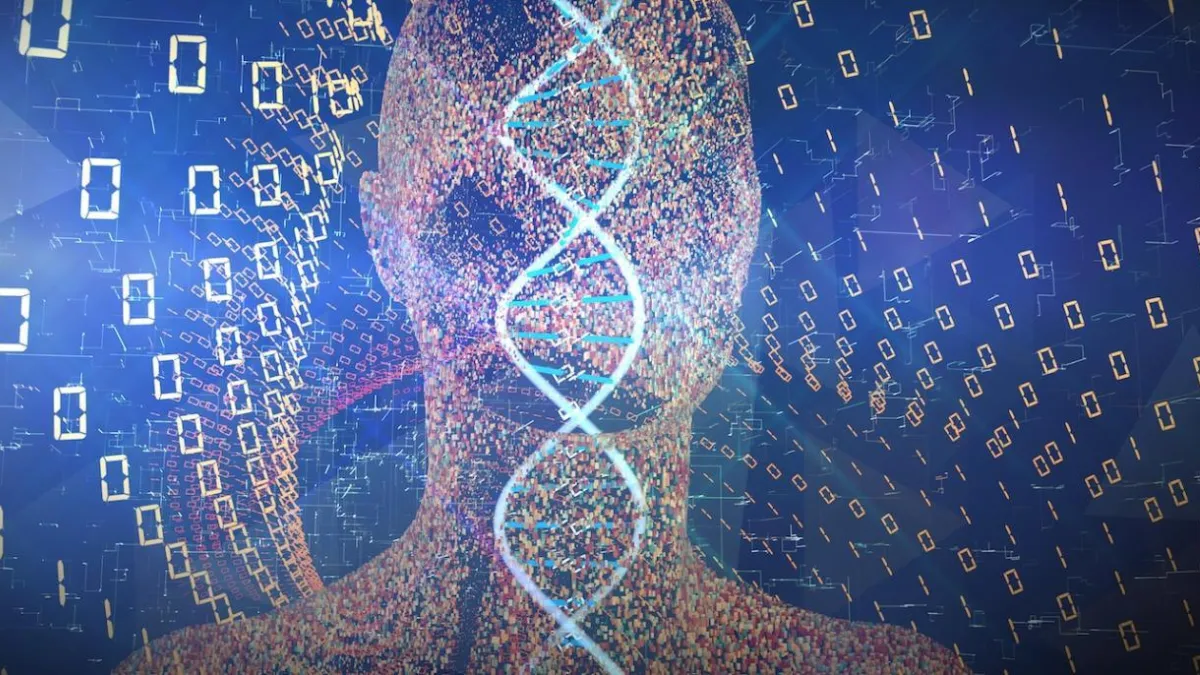
The method allows scientists to predict the activity of genes within cells, and could transform our understanding of disease.
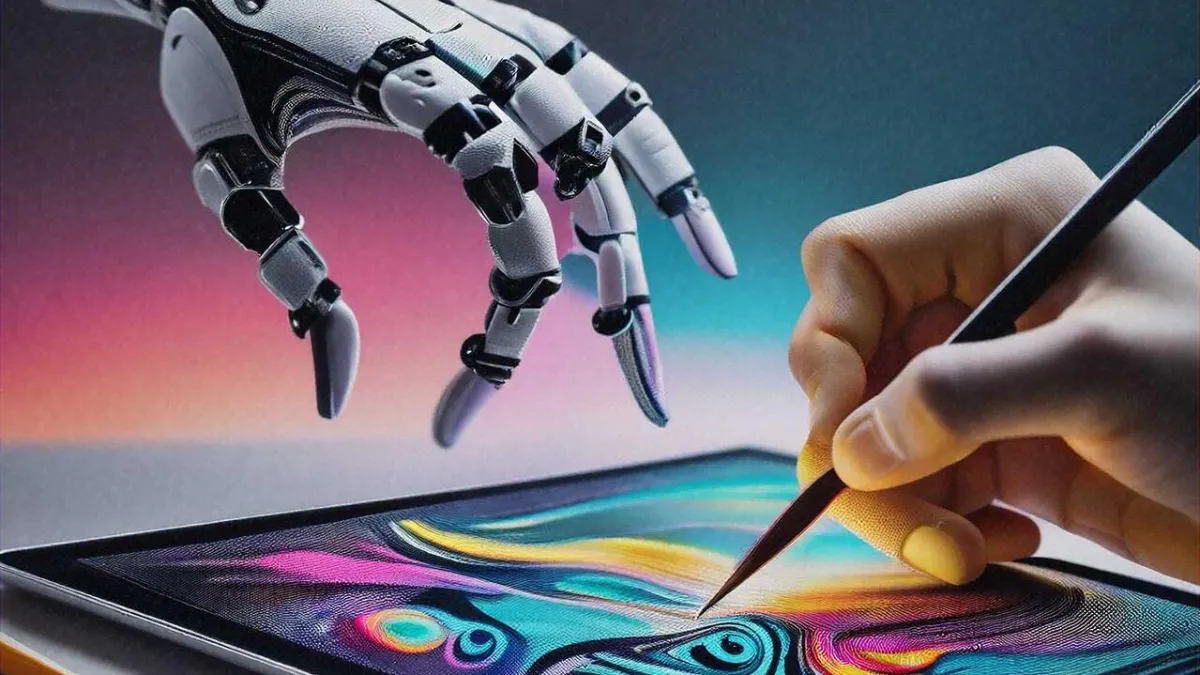
New study reveals bias against AI art cannot beat the impact of human intention.
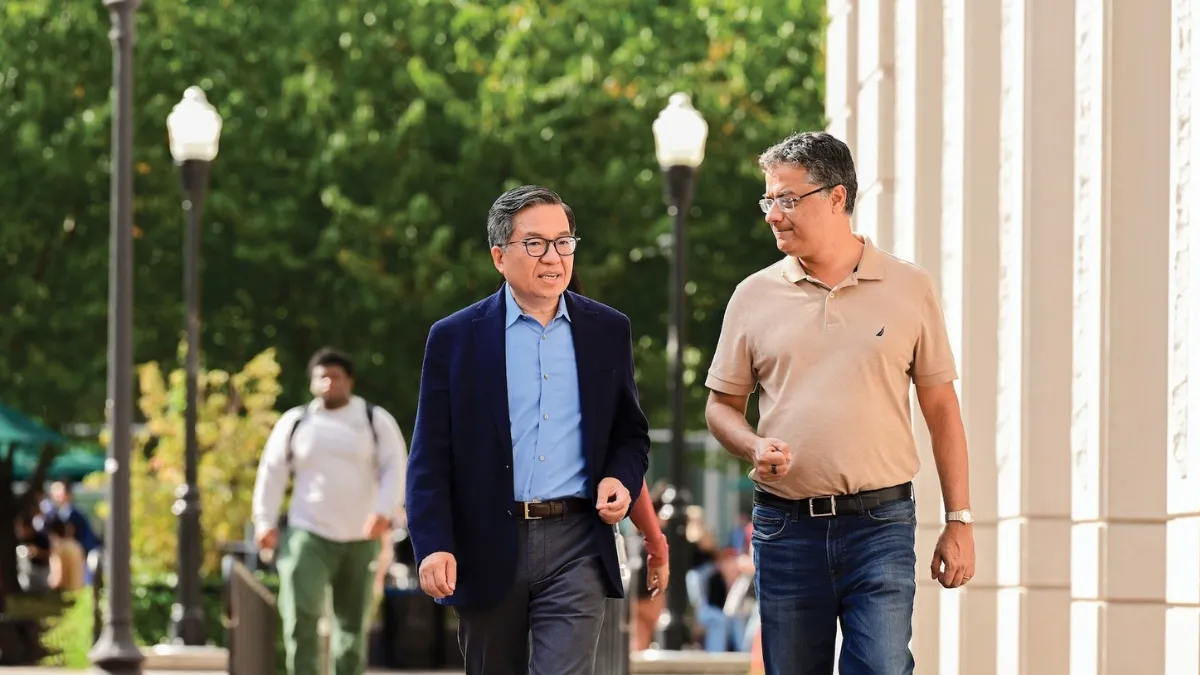
In this conversation, EE Professors and Columbia Engineering School Dean Shih-Fu Chang and Vice Dean Vishal Misra discuss how the School is driving and responding to this exciting moment in the development of artificial intelligence.
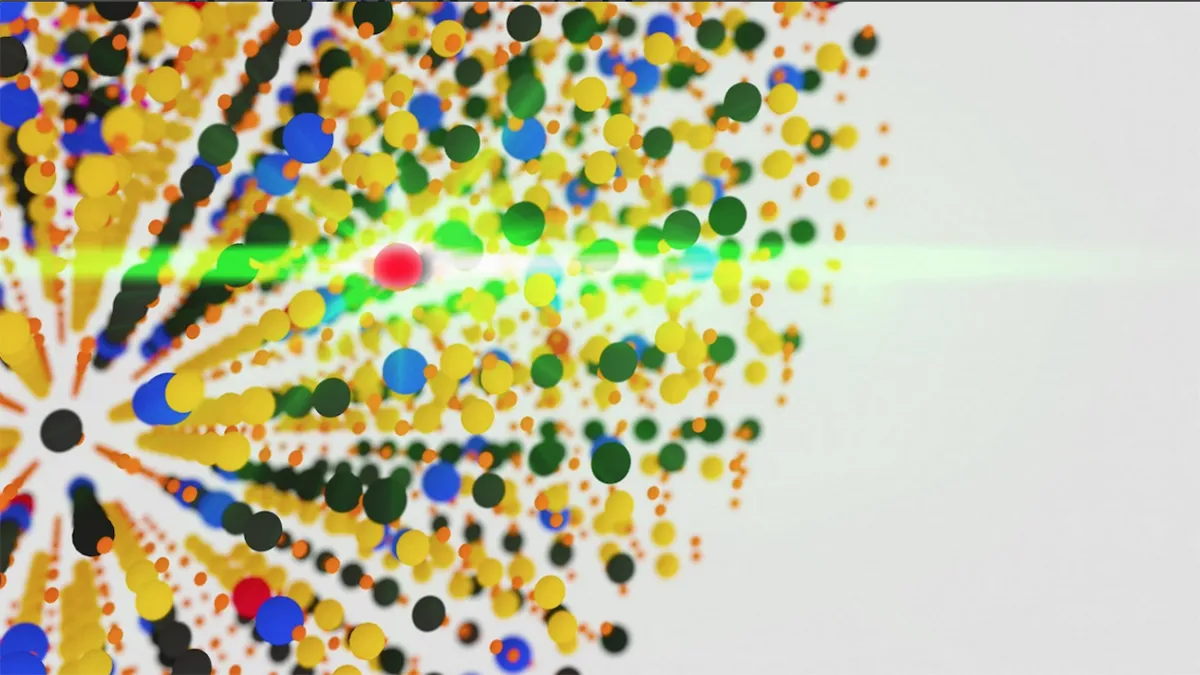
Photon-avalanching nanosensors access previously unreachable environments and could disrupt technologies from robotics to cellular biophysics and medicine to space travel.

Columbia researchers are advancing AI-driven imaging tools to enhance cancer screening, diagnosis, and patient care.
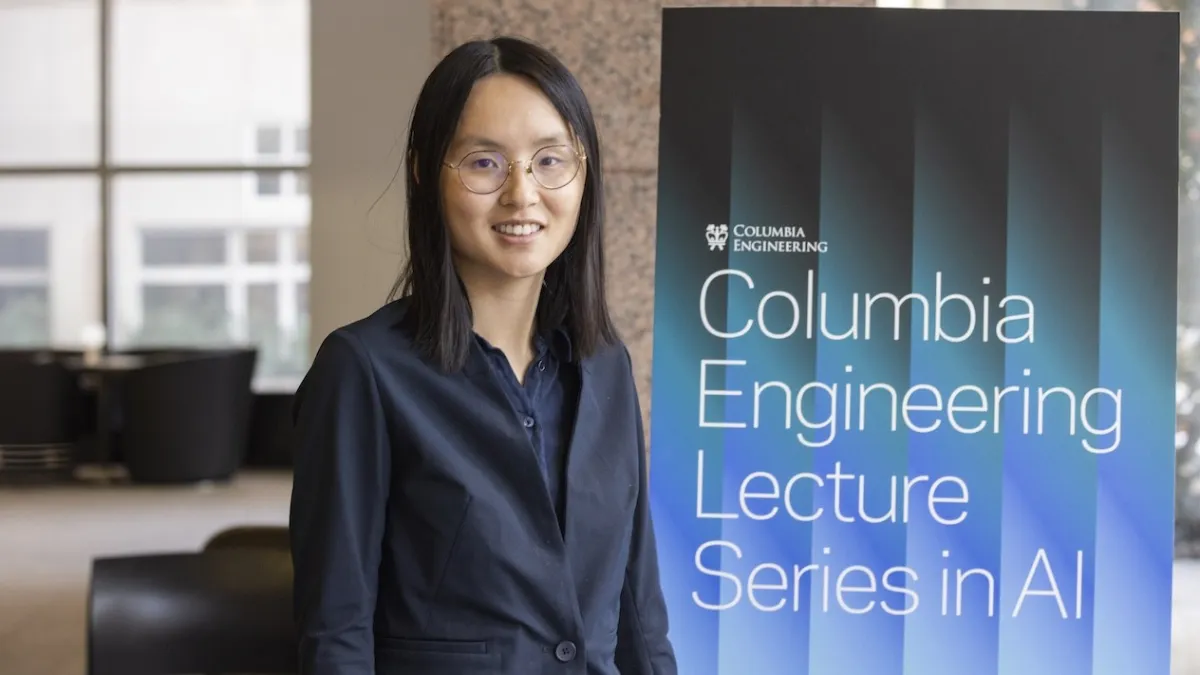
In Columbia Engineering’s latest Lecture Series in AI, the celebrated computer scientist discussed how academic efforts can advance large-scale language models, from evaluating capabilities to understanding pre-training data challenges.
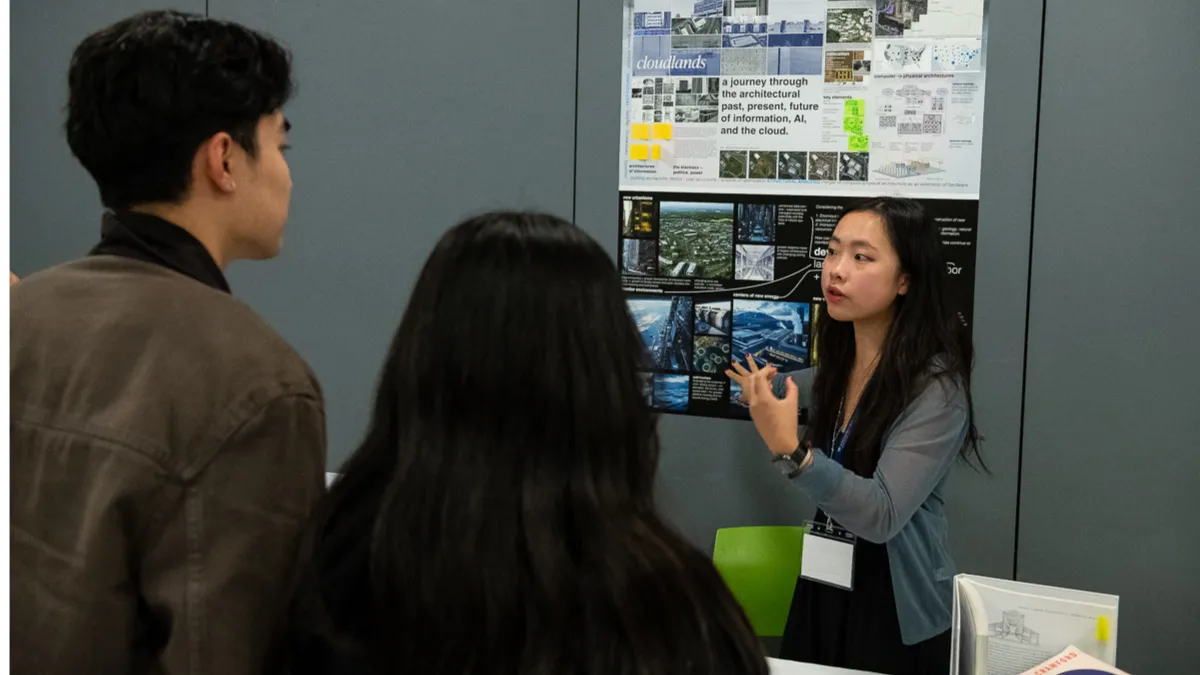
Through 23 projects, undergraduates from Barnard and Columbia tackled real-world challenges with creative solutions that bring human and computer intelligence together.
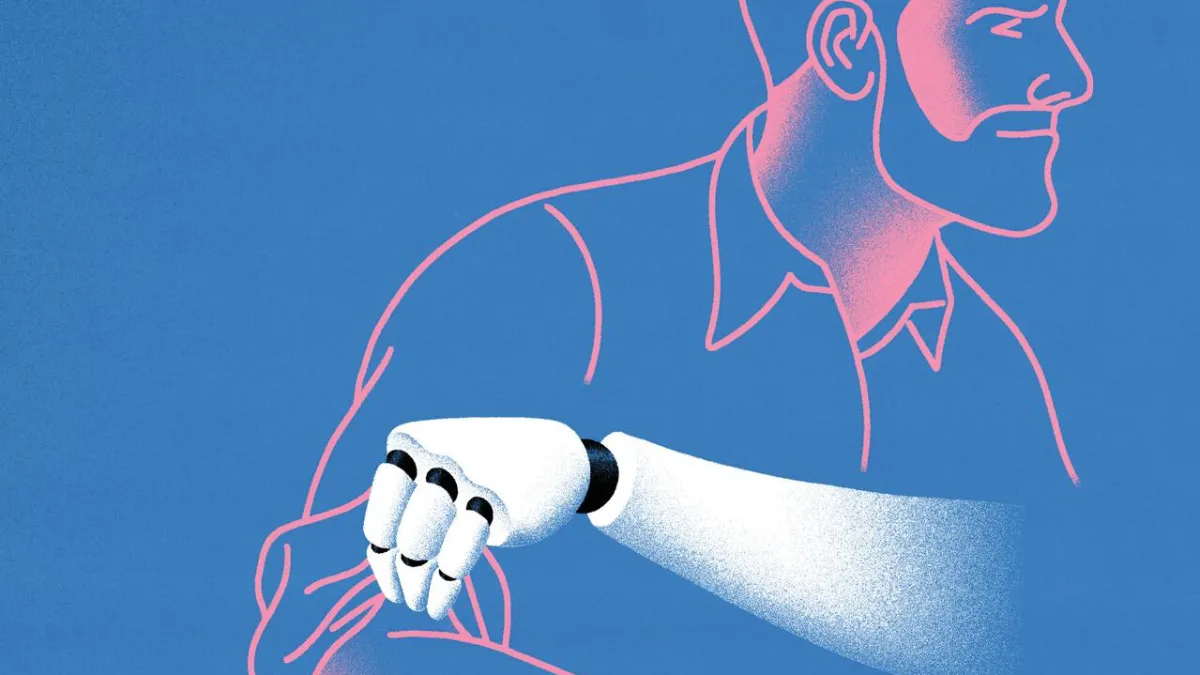
Professors Stephan Meier and Jeffrey Schwartz explore how Morgan Stanley’s collaborative AI rollout empowered advisors and strengthened client relationships.
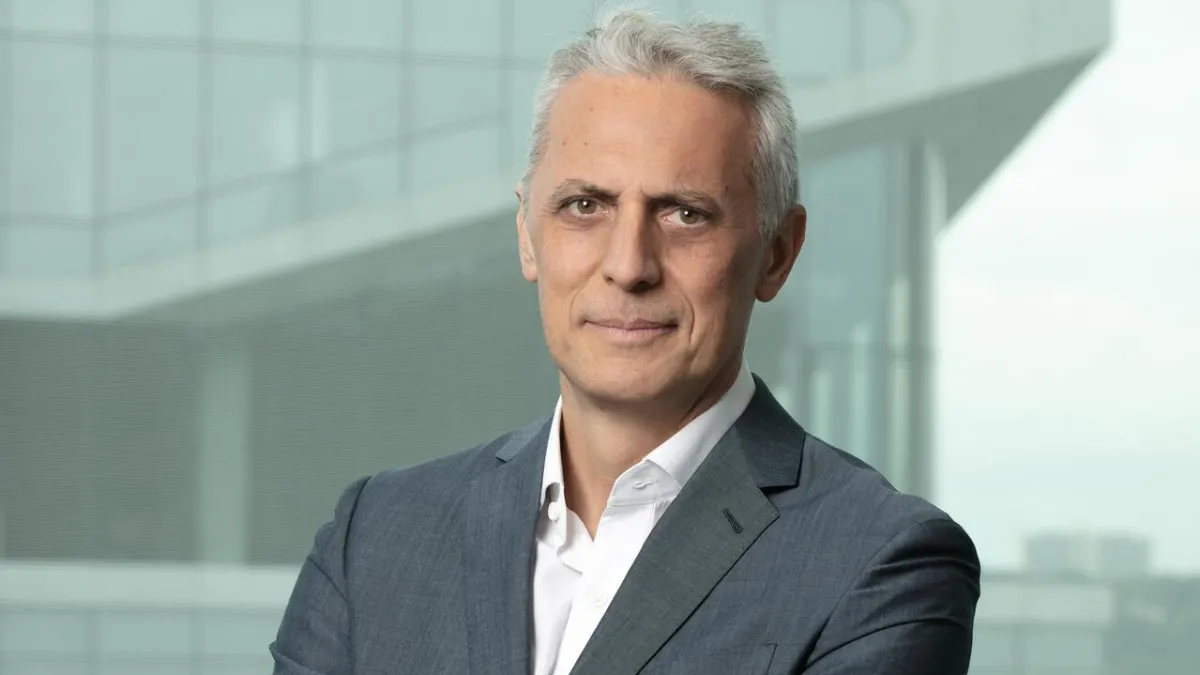
Dean Costis Maglaras highlights AI’s evolution and its transformative role in reshaping industries, education, and the workforce, as explored by CBS faculty in this issue of Columbia Business

Iyer, a NASA Hubble fellow at Columbia, has also developed an AI-powered search tool for astronomers.
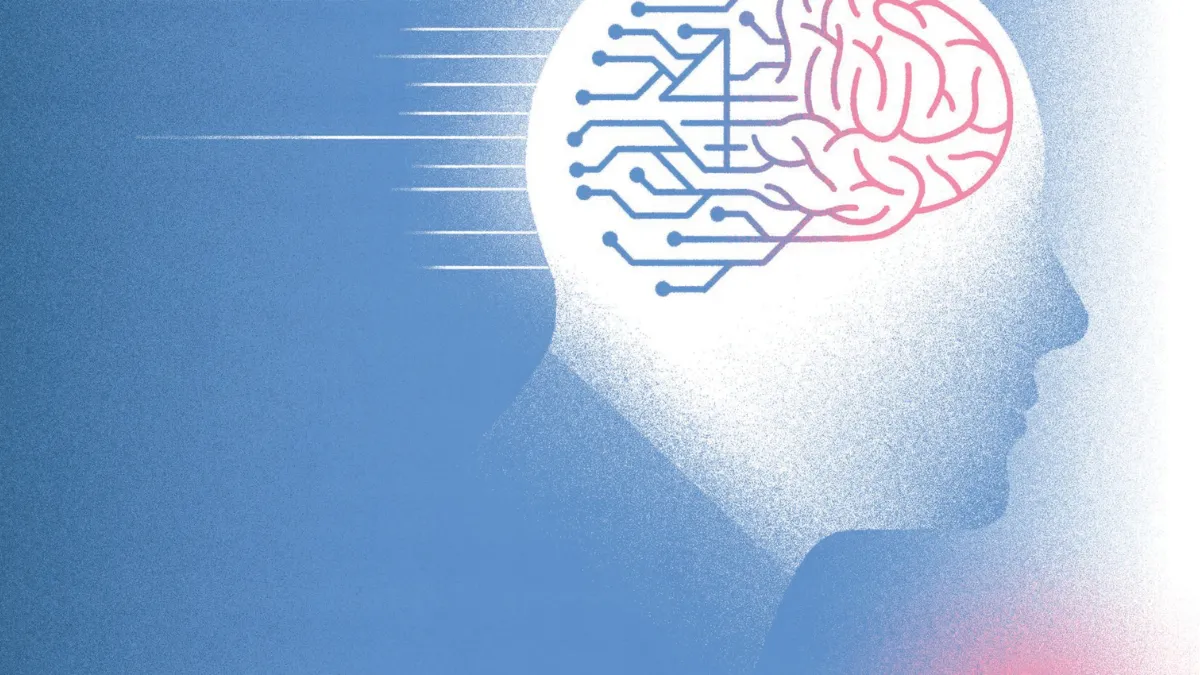
Columbia Business School faculty share groundbreaking research on how artificial intelligence is reshaping the workplace and transforming the future of work.

Using natural language processing, Professor Olivier Toubia and his co-researchers have found that the way people write, no matter the topic, can reveal clues about how well they might do in the future—whether in school, work, or other areas.