How AI Is Changing Scientific Discovery—Columbia Experts Weigh In

From genomics to climate modeling, AI is revolutionizing scientific research. Moderated by Provost Angela Olinto, this Columbia AI Summit panel on March 4 features experts using AI to drive breakthroughs in biology, chemistry, ecology, and beyond. Registration required.

February 20, 2025
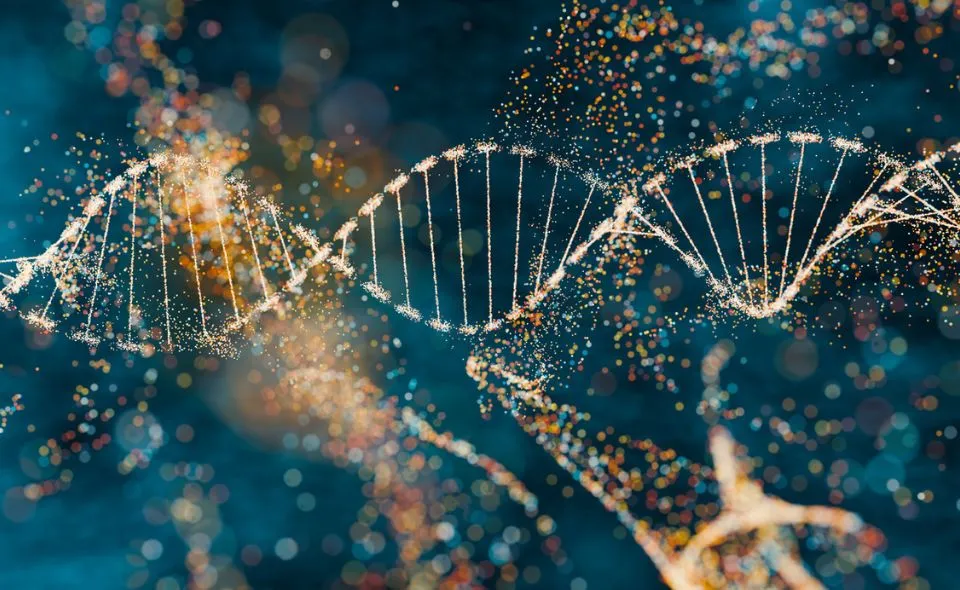
From uncovering hidden patterns in the human genome to modeling climate systems, AI is transforming how scientists make discoveries across disciplines. A workshop in the Columbia AI Summit will dive deep into how it drives breakthroughs in the natural sciences. 

This conversation, titled "The ABCs of AI in the Natural World: From Animals to Batteries to Climate" will be moderated by Columbia Provost Angela Olinto who, as Columbia’s chief academic officer and a renowned astrophysicist, brings a unique perspective to the discussion. The conversation will feature faculty using AI in fields ranging from genomics and molecular biology to ecology and astrophysics.

The conversation will feature faculty using AI in fields ranging from genomics and molecular biology to ecology and astrophysics.

Speakers will include:

  • Harmen Bussemaker (Biological Sciences and Systems Biology) – Develops AI/ML-driven models to predict how proteins and DNA interact, offering new insights into genetic diseases and how non-coding regions of the genome are interpreted by the cell.
  • Dustin Rubenstein (Ecology, Evolution & Environmental Biology) – Uses machine learning and generative AI to analyze complex animal behaviors from video data and fine-scale morphologies from images in species ranging from crustaceans to birds.
  • Richard Friesner (Chemistry) – Focuses on AI-driven computational chemistry methods to model molecular structures and reactions, advancing the design of new materials and pharmaceuticals.
  • Tian Zheng (Statistics) – Develops AI-driven statistical modeling techniques to improve predictive analytics in scientific research, from public health to environmental science.

With faculty from multiple disciplines, this panel will offer a rare look at how AI is accelerating discovery across the sciences. Join faculty, students, and researchers in David Auditorium to explore AI’s impact on the future of scientific inquiry.